
Immigration, Refugees and Citizenship Canada (IRCC) has announced major changes to settlement service eligibility for economic class permanent residents. The new policy will take effect on April 1, 2026, and it will apply retroactively to all economic class permanent residents regardless of when they originally landed in Canada. For many immigrants who became permanent residents before 2020, eligibility under the new calculation will already have expired. Book Your Consultation for Canadian Immigration These changes will significantly reduce how long economic immigrants can access federally funded newcomer services. Understanding the new timeline and using available services before the deadline will be essential for many permanent residents. How Canada Is Changing Eligibility for Free Newcomer Services Under the current system, economic class permanent residents can access federally funded settlement services from the day they arrive in Canada until they become Canadian citizens. Although citizenship requires a minimum of three years of permanent residence, many immigrants wait much longer before applying. This has allowed some permanent residents to access settlement services for 10, 15, or even 20 years. This open access period will now be shortened significantly. IRCC will introduce the following phased eligibility limits: Effective Date Maximum Eligibility Period April 1, 2026 Up to 6 years after becoming a PR April 1, 2027 Up to 5 years after becoming a PR Under the new policy, eligibility ends once the time limit is reached, even if the individual has not yet become a Canadian citizen. Previously, access only ended when citizenship was granted. The new rules create a fixed timeline that applies to all economic class permanent residents. These limits also apply to spouses, common-law partners, and dependent children included in the same permanent residence application. Who Is Considered an Economic Class Permanent Resident The updated eligibility limits apply to immigrants who received permanent residence through economic and employment-based immigration programs. These include: How the New Eligibility Timeline Works IRCC has provided several examples to help explain how the shortened timeline will apply in real situations. Scenario 1: Permanent Residence Obtained on or Before April 1, 2020 The six-year eligibility period has already passed. Beginning April 1, 2026, these individuals will no longer be able to access settlement services, even if they have never used them or have not yet become citizens. Scenario 2: Permanent Residence Obtained Between April 2, 2020 and March 31, 2027 These permanent residents will have six years of eligibility starting from their PR date. IRCC calculates eligibility until the end of the month that includes the anniversary of the PR date. Example:Someone who became a permanent resident on June 21, 2021 will remain eligible until June 30, 2027. Another individual who became a permanent resident on January 15, 2023 will remain eligible until January 31, 2029. Scenario 3: Permanent Residence Obtained on or After April 1, 2027 New permanent residents will have five years of eligibility from their PR date. For example, a person who becomes a permanent resident on May 4, 2027 will remain eligible until May 31, 2032. How to Find Your Official PR Date Your official permanent residence date can be found on your Confirmation of Permanent Residence (COPR) document. It appears in the “Became PR on” field under personal details. If you cannot locate your COPR, you can try the following: Who Is Not Affected by the New Limits The new time restrictions apply only to economic class permanent residents. Several other immigration categories will continue to have unlimited access to settlement services. These include permanent residents admitted through non-economic programs such as: Certain non-permanent residents also remain eligible for settlement services. These include: What Settlement Services Include Settlement services are designed to help newcomers integrate into Canadian society. These federally funded programs provide economic, social, and cultural support. Services commonly include: These programs are available across Canada, except in Quebec, which operates its own immigration settlement programs. Language Training Programs One of the most widely used services is the Language Instruction for Newcomers to Canada (LINC) program, which offers free English language classes ranging from basic literacy to advanced communication. Similar programs also provide French language training. Benefits of LINC programs often include: Comparable private ESL courses typically cost between $15 and $30 per hour, which can equal $3,000 to $8,000 per year. Employment and Career Support Settlement organizations also offer career assistance similar to professional career coaching. Services may include: Equivalent career coaching services in the private market can cost between $500 and $2,000. Support for Foreign Credential Recognition Many skilled immigrants face challenges when trying to have their foreign credentials recognized in Canada. Settlement agencies help by providing: Consulting services for this type of support can typically cost between $200 and $1,000. Estimated Value of Settlement Services Permanent residents who fully use available programs can receive significant financial value through these services. Service Category Estimated Annual Value Language training $3,000 to $8,000 Employment services $500 to $2,000 Credential support $200 to $1,000 Community programs $500 to $1,500 Information services $300 to $800 The total potential annual value ranges between $4,500 and $13,300. Over a five-year period, this could equal $22,500 to $66,500 in support. Why IRCC Is Introducing These Changes The new settlement service limits are part of Budget 2025 measures aimed at managing immigration levels and controlling program costs. IRCC states that the policy serves several purposes. First, it encourages newcomers to access integration services earlier in their settlement journey, when support may have the greatest impact. Second, limiting eligibility helps ensure that resources are available for newer arrivals who may require immediate assistance. Third, the policy aligns with broader fiscal priorities that include reducing certain immigration-related expenditures. Critics argue that integration does not always follow a predictable timeline. Economic changes, family responsibilities, health challenges, or career shifts can create settlement needs many years after arrival. Despite these concerns, the policy signals a shift in how Canada approaches integration support for economic immigrants. Government support is increasingly being viewed as a short-term assistance period rather than a long-term resource.
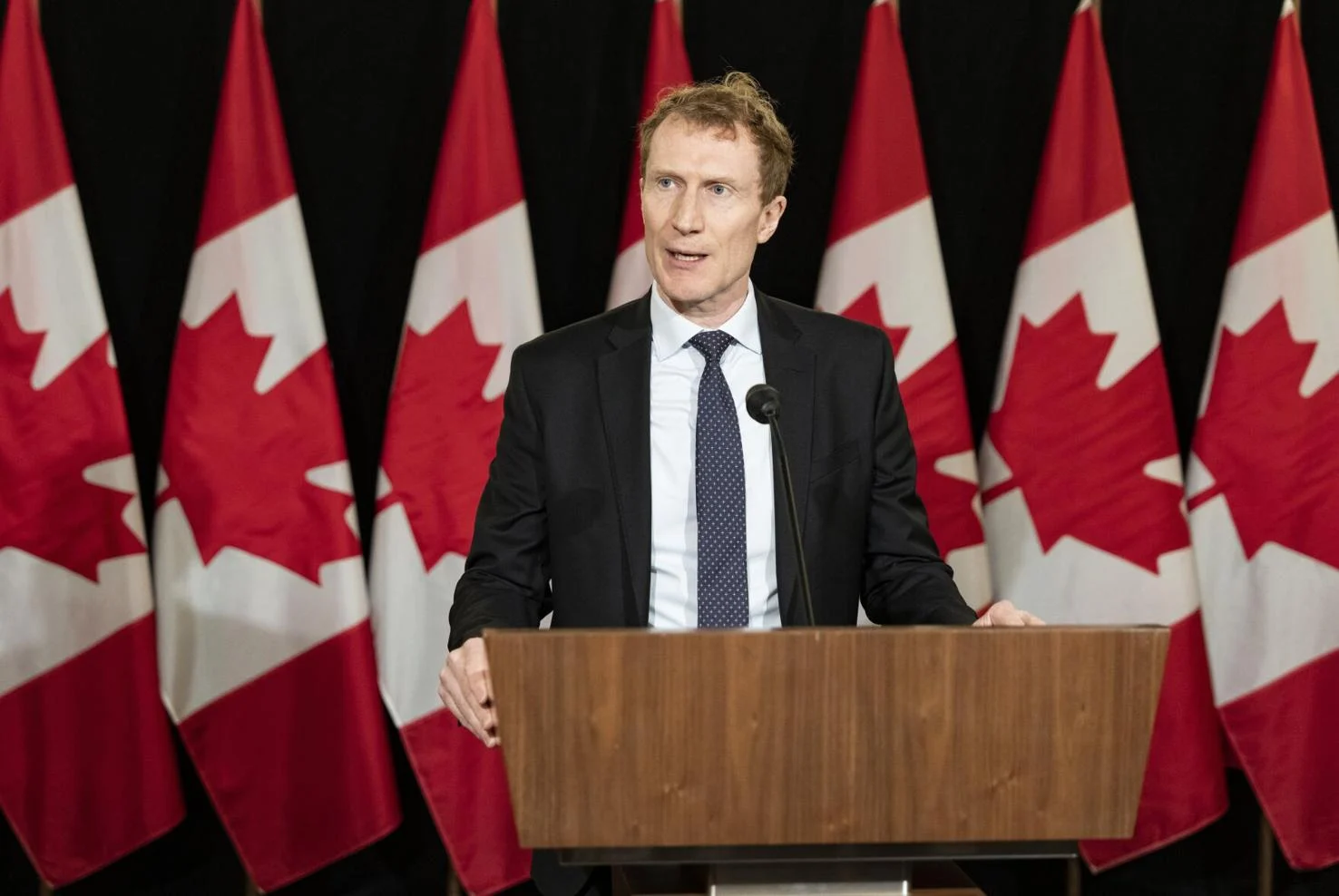
Marc Miller Emphasizes Changes in Canada’s Immigration Policy
Federal Immigration Minister Marc Miller shared important perspectives on the ongoing changes in Canada’s immigration policies during an interview on October 18, after participating in a citizenship ceremony in Winnipeg. This ceremony, which celebrated the induction of more than 80 new Canadian citizens, provided an opportunity for Miller to address existing immigration issues and the adjustments being made to policies impacting international students and provincial immigration programs. Citizenship Ceremony: A Source of Hope Looking back on the citizenship ceremony, Miller shared his thoughts on the profound emotional impact of these events. “It fills me with hope for our country. These individuals have worked hard to become Canadian… As they wave the flag and take the oath, they are committed to enhancing this nation,” Miller stated. Although the event was filled with joy, he noted that public discussions in Canada have become more toxic, although he finds that most of his encounters outside of social media remain respectful. Increase in Work Hours and Effects of Restrictions on International Student Employment A key topic of the interview was the government’s reintroduced cap on off-campus work hours for international students. Initially raised to 40 hours per week during the pandemic, the limit has now reverted to 20 hours, with an increase to 24 hours expected soon. Minister Miller noted that the new 24-hour work policy is expected to be put into effect within the next few weeks. Miller acknowledged the financial pressures that students experience, recounting the story of Kupa Mashu, an international student at the University of Manitoba, who had to move due to work restrictions. “It’s frightening… I had to find a place farther from work and school just to afford rent,” Mashu shared. Addressing these concerns, Miller stated, “We admit students to study, not just to work… A 24-hour work limit seemed like a reasonable compromise, bringing us in line with international standards. In some countries, students aren’t permitted to work at all.” He stressed that the government will continue to assess the system to ensure it meets the needs of both students and educational institutions. Equitable Distribution of Immigration Goals Among Provinces The conversation also covered Canada’s immigration approach, focusing on the relationship between federal and provincial immigration targets. Miller highlighted the demand from provinces like Manitoba for increased immigration levels, alongside national efforts to regulate the influx of newcomers. He mentioned that the federal government is willing to raise provincial immigration quotas, provided the provinces can effectively support the incoming immigrants. “Manitoba has been exceptionally cooperative,” Miller remarked, praising the province’s proactive stance. However, he cautioned that provinces must ensure they have the necessary infrastructure and resources in place. “You can’t request more immigrants and then complain about insufficient housing or services. That would undermine the federal government’s responsibility.” Immigration Decisions Based on Data Insights When asked how the government would evaluate a province’s capacity to accommodate increased immigration numbers, Miller highlighted the significance of data. “Data provides clarity… We need stronger collaboration with provinces to identify job market demands and ensure that immigrants are appropriately matched to available opportunities.” He underscored the necessity for cooperation between federal and provincial governments to align immigration policies with labor market requirements. Announcement of Future Immigration Goals Miller indicated that a forthcoming announcement in November will outline Canada’s immigration targets for the next three years. However, he noted that the immigration levels plan is still under development and has not been finalized. While provinces may negotiate their quotas, the federal government’s main priority will continue to be balancing immigration levels with the country’s ability to sustainably support newcomers. The interview highlights the government’s initiatives to refine immigration policies in response to economic pressures and changing provincial demands. As Canada adapts its strategies, cooperation between federal and provincial governments will be crucial for ensuring that immigration remains advantageous for both newcomers and the wider community.

BC PNP Issues 122 ITAs in Targeted Draw | October 22
In the most recent BC PNP draw held on October 22, approximately 122 Invitations to Apply (ITAs) for permanent residency were issued through targeted rounds of invitations. Of these, 60 invitations were extended in a targeted draw for 35 tech occupations under the Skilled Worker and International Graduate streams, along with their Express Entry options. The minimum score requirement for this round increased by one point compared to the previous BC PNP tech draw. Additionally, 41 invitations were issued to candidates with experience as early childhood educators or assistants (NOC 42202). Another 11 invitations went to applicants with experience in 39 healthcare-related occupations, while 10 profiles with experience in 25 construction-related roles were selected under British Columbia’s new category-based draw, introduced in late 2023. Full Details of Latest BC PNP Draw: October 22 Previous BC PNP Draw : 2024 When is the upcoming BC PNP draw for 2024? The next BC PNP draw is expected around October 29, 2024, and is likely to include both general and targeted rounds of invitations. These targeted draws may focus on early childhood educators, 35 tech occupations, 25 construction occupations, and 39 healthcare occupations. BC PNP draws are typically held every Tuesday or Wednesday, with general draws and industry-specific targeted draws, such as those for tech and healthcare, occurring on a rotational basis.

IRCC grants 400 Invitations to Apply (ITAs) to CEC candidates in the most recent Express Entry draw.
In the latest Express Entry draw, Immigration, Refugees, and Citizenship Canada (IRCC) extended 400 Invitations to Apply (ITAs) to candidates from the Canadian Experience Class (CEC). To qualify, applicants needed a minimum Comprehensive Ranking System (CRS) score of 539. This draw marked the second Express Entry draw of the week, following the October 21 draw that invited 648 Provincial Nominee Program (PNP) candidates with a minimum Comprehensive Ranking System (CRS) score of 791. In recent months, IRCC has consistently held multiple Express Entry draws every two weeks, typically including draws targeting PNP and Canadian Experience Class (CEC) candidates. This reflects IRCC’s ongoing effort to increase the number of draws for candidates already living and working in Canada as temporary residents. This strategy helps meet the department’s goal of reducing the temporary resident population while achieving its targets for new permanent residents as outlined in the Immigration Levels Plan. The next Immigration Levels Plan, outlining targets for 2025-2027, is expected to be released by November 1. The 2024 target is to welcome 110,770 new permanent residents, but it’s unclear if IRCC has reached that goal yet. Given IRCC’s six-month processing standard for Express Entry applications, those receiving an Invitation to Apply (ITA) in the latter half of the year are more likely to achieve permanent residence in 2025. Full Details of Express Entry Draw: 21 October 2024 Program: Canadian Experience Class (CEC)Number of Invitations Issued: 400Rank Required to be Invited to Apply: 400 or higherDate and Time of Round: October 22, 2024, at 14:07:18 UTCComprehensive Ranking System (CRS) Score of Lowest-Ranked Candidate Invited: 539Tie-Breaking Rule: October 19, 2024, at 21:53:18 UTC Summary of Express Entry draw results in 2024

IRCC invites 648 candidates in the latest PNP-focused Express Entry draw
Immigration, Refugees, and Citizenship Canada (IRCC) has sent out Invitations to Apply (ITAs) in the latest Express Entry draw. A total of 648 ITAs were issued, specifically targeting Provincial Nominee Program (PNP) candidates. To qualify for this round, candidates needed a minimum Comprehensive Ranking System (CRS) score of 791. This draw marks the second PNP-focused draw of the month, with the previous one held on October 7, where 1,613 candidates were invited, requiring a minimum CRS score of 743. In recent months, IRCC has established a pattern of conducting multiple Express Entry draws every other week, often including at least one PNP-specific draw. Since May 30, IRCC has issued 12,815 ITAs in PNP-only draws, including today’s. This approach underscores IRCC’s commitment to increasing domestic draws, targeting Express Entry candidates already residing and working in Canada as temporary residents. The goal is to reduce the number of temporary residents while also reaching the annual permanent resident intake targets set in the Immigration Levels Plan. The next Immigration Levels Plan, covering 2025-2027, is expected by November 1. The 2024 plan aims to welcome 110,770 permanent residents, though it’s unclear if IRCC has met this target. Candidates receiving ITAs in the second half of the year are likely to be admitted in 2025 due to IRCC’s six-month processing time for Express Entry applications. Full Details of Express Entry Draw: 21 October 2024 Program :Provincial Nominee ProgramNumber of invitations issued: 648Rank required to be invited to apply: 648 or aboveDate and time of round: October 21, 2024, at 15:12:14 UTCCRS score of lowest-ranked candidate invited: 791Tie-breaking rule: August 13, 2024, at 20:04:52 UTC Summary of Express Entry draw results in 2024
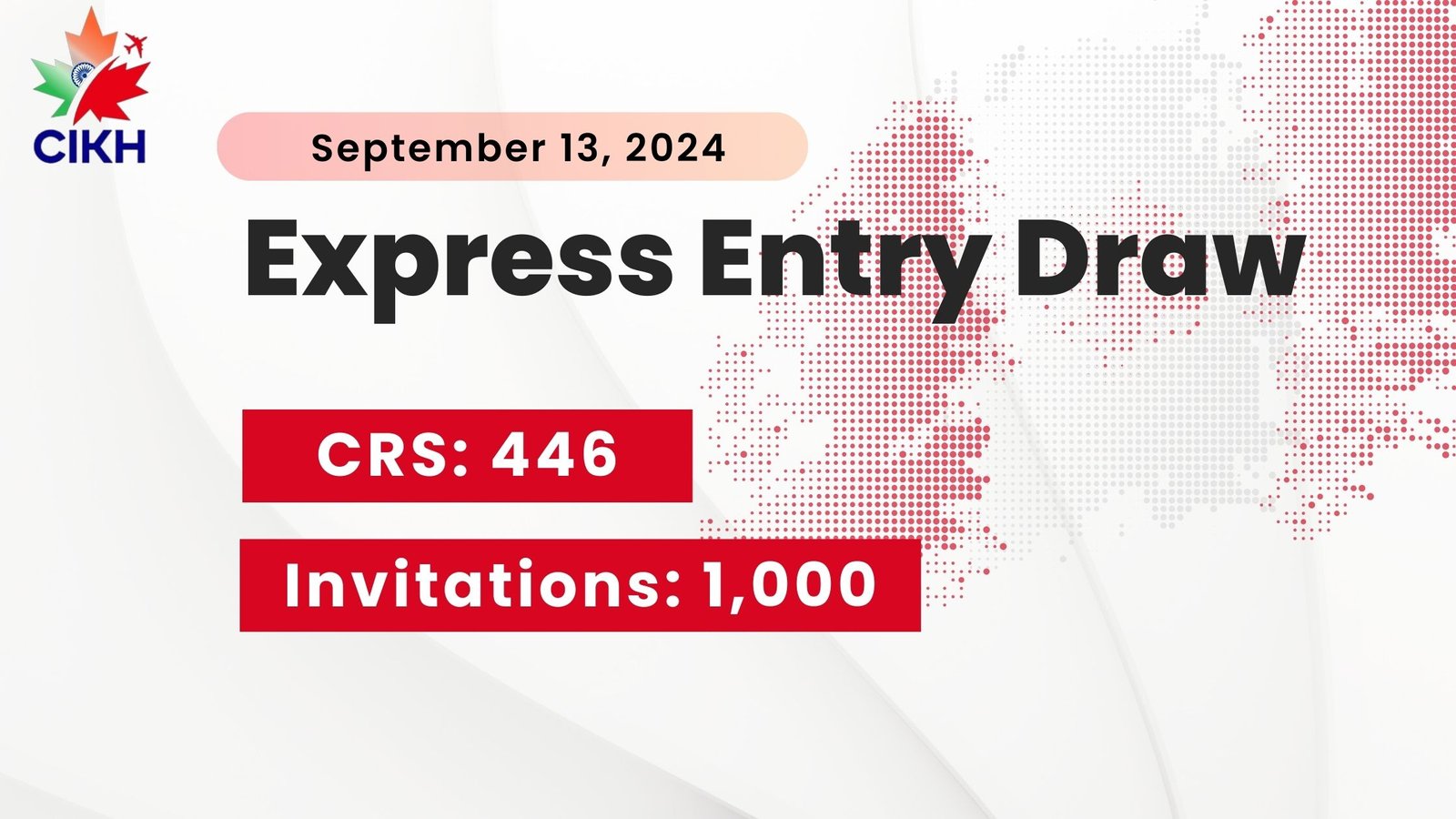
IRCC invites 1,000 candidates in the latest Express Entry draw for French-speaking applicants.
Immigration, Refugees, and Citizenship Canada (IRCC) has extended invitations to apply (ITAs) in the most recent Express Entry draw. In this category-based selection, 1,000 ITAs were given to candidates with strong French language skills. Applicants needed a minimum Comprehensive Ranking System (CRS) score of 446 to qualify. This is the second draw of the month, following an active summer period. In July and August, IRCC conducted 14 separate Express Entry draws. Notably, July set a new record for the most draws in a single month since the system’s inception in 2015, with nine draws held between July 2 and July 31. The previous Express Entry draw took place on September 9th, where 911 invitations were issued, focusing exclusively on Provincial Nominee Program (PNP) candidates. Recently, IRCC has established a pattern of holding multiple draws every two weeks, typically including at least one for PNP candidates. This aligns with their goal of conducting more “domestic” draws to provide temporary residents in Canada with greater chances of becoming permanent residents and to manage the influx of new temporary residents entering the country. Details of Express Entry Draw September 13 Summary of Express Entry draw results in 2024