

Last week, the Manitoba Provincial Nominee Program (MPNP) conducted a draw aimed at candidates outside Canada with strong ties to the province. On May 15, 62 candidates were invited to apply for provincial nomination through the MPNP’s Skilled Workers Overseas stream. Out of these 62 candidates, eight had a valid Express Entry profile number and job validation code. The lowest score among the invited candidates was 626. To be considered, candidates had to have submitted an Expression of Interest (EOI) for this stream and be directly invited by the MPNP as part of a strategic recruitment initiative. Book Your Consultation for Canadian Immigration Who is Eligible for Manitoba’s Skilled Worker Overseas Stream? This pathway to permanent residency is open to foreign workers outside Canada who can demonstrate a connection to Manitoba. Eligible candidates must meet one of the following criteria: Each type of connection has specific eligibility requirements that must be fulfilled. In addition to a valid Manitoba connection, candidates must score at least 60 out of 100 points on the province’s assessment grid. The score is based on five factors: age, education, language proficiency, work experience, and adaptability. Strategic Recruitment Initiatives in Manitoba The MPNP uses strategic recruitment initiatives to help Manitoba employers fill critical labor shortages by recruiting qualified foreign workers. These initiatives are aimed at employers who have an ongoing need for skilled workers that cannot be met through the local labor market. To participate, employers must meet specific eligibility criteria for the positions they are hiring for and complete Manitoba’s required ABC Recruitment process. Once approved, employers can refer international candidates who meet the program’s criteria, including age, education, work experience, and language skills. Candidates must have a full-time, permanent, or long-term job offer and the intention to settle in Manitoba. Priority is given to candidates planning to live outside the Winnipeg Metropolitan Region. It’s important to note that candidates cannot self-identify as eligible for a Manitoba connection. Eligibility is determined solely by the MPNP.

10 Hidden Canadian Destinations to Explore in 2025 — Beyond Banff
Banff’s turquoise lakes and Niagara’s roaring falls are legendary—but the soul of Canada lives beyond the postcard. With 27 million domestic trips logged in 2024 (Destination Canada), Canadians are turning away from over-touristed hotspots in favor of the road less travelled. In 2025, it’s time to venture off the beaten path and uncover the wild, the remote, and the breathtakingly authentic corners of the country. From storm-lashed surf towns to Arctic wildlife sanctuaries, these 10 under-the-radar destinations promise jaw-dropping landscapes, rich cultural experiences, and a deep sense of connection—to place and to people. Book Your Consultation for Canadian Immigration So charge your camera, pack your hiking boots, and let’s explore the Canada most tourists never see. Why Go Off-Grid in 2025? Overtourism is overwhelming Canada’s most iconic sights. Hotel rates in major destinations soared by 15% last year, and popular trails are often more crowded than calming. Meanwhile, Canadians are craving meaningful, budget-conscious escapes—and there’s a growing desire to travel sustainably and support communities that need it most. These lesser-known destinations offer it all: room to breathe, cultural richness, and adventures that feel personal. Whether you’re a weekend wanderer or planning a cross-country road trip, here’s where to go for something unforgettable in 2025. 1. Haida Gwaii, British Columbia Where ancient culture meets the wild Pacific. A remote archipelago off BC’s north coast, Haida Gwaii—known as the “Galapagos of the North”—is steeped in Indigenous history and ecological wonder. The Haida Nation has called this land home for over 12,000 years. Why Go: Immerse yourself in Haida storytelling, kayak through whale-rich waters in Gwaii Haanas, and stand before towering totem poles at UNESCO site SG̱ang Gwaay. Top Picks: 2025 Highlight: A new Haida cultural festival launches July 2025, celebrating traditional canoe-building with public demos. Tips: Fly from Vancouver to Sandspit (~$600 round trip) or ferry from Prince Rupert (7 hrs, ~$200). Book early—eco-lodges fill fast. 2. Gros Morne National Park, Newfoundland & Labrador Otherworldly landscapes and dark-sky serenity. From fjords that rival Norway’s to trails over the Earth’s mantle, Gros Morne is a geological marvel. It’s also a stargazer’s dream, with new programs launching in 2025. Why Go: Hike Gros Morne Mountain for views across fjords, or cruise Western Brook Pond beneath 600-meter cliffs. Top Picks: 2025 Highlight: A brand-new interactive visitor center opens in June. Tips: Fly to Deer Lake (~$400 from Toronto), then drive 1 hour. September offers crisp colors and fewer crowds. 3. The Magdalen Islands, Quebec Caribbean vibes meet Acadian soul. Red cliffs, sea breezes, and Acadian heritage define Les Îles-de-la-Madeleine—a warm, whimsical escape far from the mainland bustle. Why Go: Feast on lobster, kite-surf on Dune du Sud, and cycle village-to-village along Route Verte. Top Picks: 2025 Highlight: Sandcastle Festival returns in August with jaw-dropping beach sculptures. Tips: New direct flights from Montreal (~$300) make access easy. May avoids crowds; summer is peak beach season. 4. Waterton Lakes National Park, Alberta A peaceful Rocky Mountain retreat. Sharing a border with Montana’s Glacier National Park, Waterton remains a quiet alternative to Banff—with equally stunning scenery. Why Go: Paddle across pristine lakes, hike to panoramic viewpoints, and roam among wildlife. Top Picks: 2025 Highlight: Wildlife photography workshops debut in July ($200/day). Tips: Drive 3 hours from Calgary or fly to Lethbridge (~$250). June’s wildflowers are spectacular. 5. Tobermory, Ontario Shipwrecks, turquoise waters, and rugged coastlines. At the tip of the Bruce Peninsula, Tobermory dazzles with Caribbean-clear lakes and rich underwater heritage. Why Go: Dive to historic wrecks, take a glass-bottom boat tour, or hike along the Bruce Trail. Top Picks: 2025 Highlight: A new marine museum opens in June with interactive shipwreck exhibits. Tips: Drive from Toronto (4 hours) or use Parkbus. Visit in shoulder seasons for smaller crowds. 6. Kluane National Park, Yukon Canada’s roof of the world. Home to Mount Logan (Canada’s highest peak), this rugged wilderness is raw, remote, and thrilling. Why Go: Flightsee over ancient glaciers or hike the King’s Throne trail for epic alpine views. Top Picks: 2025 Highlight: New backcountry campsites open in July. Tips: Fly to Whitehorse (~$500), then drive 2 hours. Summer is best—bring gear for all weather. 7. Cape Breton Island, Nova Scotia Cliffs, ceilidhs, and coastal culture. Cape Breton’s Cabot Trail winds through some of the country’s most cinematic landscapes, steeped in Celtic culture. Why Go: Hear live fiddle music, spot whales, and drive the iconic 298-km route. Top Picks: 2025 Highlight: Celtic Colours Festival expands in October with new performances and workshops. Tips: Fly to Sydney (~$400) or drive from Halifax (4 hours). Fall foliage is unreal. 8. Prince Albert National Park, Saskatchewan Boreal beauty and bison encounters. Tucked into northern Saskatchewan, this park blends forest, prairie, and lake country—with almost no crowds. Why Go: Paddle across Waskesiu Lake, hike to Grey Owl’s cabin, and spot roaming bison. Top Picks: Tips: Drive from Saskatoon (3 hours) or fly into Prince Albert. Visit in late summer for warm days and no bugs. 9. Tofino, British Columbia Surf town with ancient roots. Tofino is where rainforest meets the roar of the Pacific. It’s Canada’s surf capital and a hub of Indigenous culture and coastal cool. Why Go: Surf Long Beach, storm-watch in winter, or explore the rainforests with Nuu-chah-nulth guides. Top Picks: 2025 Highlight: A new Indigenous art festival launches in September. Tips: Fly to Tofino (~$400) or drive from Nanaimo (3 hours). Book lodging early—especially in storm season. 10. Churchill, Manitoba Wildlife wonder on the edge of the Arctic. Churchill is one of the few places on Earth where you can see polar bears, belugas, and the northern lights—all in one trip. Why Go: Kayak with belugas, view polar bears ethically from tundra buggies, and marvel at aurora borealis. Top Picks: Tips: Fly from Winnipeg (~$1,200) or take VIA Rail (48 hrs, $400). Tours book out a year in advance—especially in bear season (October). Planning Your Trip When to Go: Book Early:

What Are the Latest Changes to Canada’s Immigration Laws in 2025?
Canada has long been a beacon for immigrants seeking better opportunities, safety, and a high quality of life. However, in 2025, significant shifts in immigration policies reflect the government’s efforts to balance economic growth with infrastructure capacity and public sentiment. Here’s an overview of the key changes: 1. Reduction in Permanent Residency Targets In response to public concerns about housing affordability and social services, Canada has decided to reduce its annual permanent residency targets: This marks the first multi-year reduction since 2018, aiming to ease pressures on housing and public services . 2. Changes to Provincial Nominee Program (PNP) The PNP, which allows provinces to nominate immigrants based on local labor market needs, has seen a significant cut: This reduction reflects a shift towards federal high-skilled programs and a more controlled approach to immigration . 3. Increased Focus on Federal High-Skilled Programs To address labor shortages in critical sectors, Canada is increasing its focus on federal high-skilled immigration: This includes pathways like Express Entry and the Federal Skilled Worker Program, prioritizing candidates with skills in demand. 4. Emphasis on In-Canada Applicants The government is placing greater emphasis on transitioning temporary residents already in Canada to permanent status: This approach aims to retain skilled workers who are already contributing to the economy and reduce the need for new arrivals . 5. Adjustments in Family Reunification and Refugee Admissions While family reunification remains a priority, the number of admissions is being adjusted: Similarly, refugee admissions are being reduced to 58,350 in 2025, reflecting the need to balance humanitarian commitments with domestic capacity . 6. Reforms in Temporary Resident Programs Canada is implementing measures to reduce the number of temporary residents: These changes aim to address concerns about over-reliance on temporary labor and ensure that immigration serves long-term economic goals . 7. Introduction of Category-Based Express Entry Draws Starting in 2025, Express Entry will introduce category-based draws to select candidates with specific skills: This targeted approach aims to meet Canada’s immediate labor market needs more effectively . Conclusion Canada’s immigration landscape in 2025 reflects a strategic shift towards balancing economic needs with infrastructure capacity and public sentiment. While the overall number of new immigrants is decreasing, the focus is on attracting skilled workers, retaining temporary residents, and ensuring that immigration policies align with national priorities. If you’re considering immigrating to Canada, staying informed about these changes is crucial. For personalized guidance and up-to-date information on immigration pathways. Their team of experts can help you navigate the evolving immigration landscape and find the best path for your circumstances.

Latest IRCC Update on Processing Times – May 2025
Immigration, Refugees, and Citizenship Canada (IRCC) has released its latest processing time estimates as of May 13, 2025. These timelines are essential for individuals applying for visas, permanent residency, citizenship, or Canadian passports.Whether you’re planning to study, work, settle, or extend your stay in Canada, these updated timelines offer vital insights to help you navigate the application process more effectively. Key Highlights: Processing times reflect estimates for 80% of applications.Updated weekly for temporary visas and PR cards.Updated monthly for citizenship, PR applications, and family sponsorships.Timelines vary based on application volume and IRCC’s processing capacity. Citizenship Processing Times (Monthly) Citizenship Grant: 10 months (↑ from 8)Citizenship Certificate: 4 months (↑ from 3)Renunciation of Citizenship: 7 months (↓ from 8)Search of Records: 15 months (no change)Resumption: No data availableAORs for March 31, 2025, applicants are expected soon. Permanent Residency (PR) Card Processing (Weekly) New PR Card: 43 days (↑ from 35)PR Card Renewal: 11 days (↑ from 10)Ensure all documents are complete to avoid delays. Family Sponsorship (Monthly)Spouse/Common-Law (Outside Canada, Non-Quebec): 10 months (↓ from 11)Spouse/Common-Law (Outside Canada, Quebec): 36 months (↑ from 35)Spouse/Common-Law (Inside Canada, Non-Quebec): 29 months (↑ from 24)Spouse/Common-Law (Inside Canada, Quebec): 36 months (no change)Parents/Grandparents (Non-Quebec): 36 months (unchanged)Parents/Grandparents (Quebec): 48 months (unchanged)📍 Quebec timelines are typically longer due to provincial procedures. Canadian Passport Processing (As of May 1, 2025)In-Person Application: 10 business daysBy Mail (Within Canada): 20 business daysUrgent Pick-Up: Next business dayExpress Pick-Up: 2–9 business daysOutside Canada (Mailed): 20 business days PR Economic Class (Monthly)Canadian Experience Class (CEC): 5 months (unchanged)Federal Skilled Worker (FSWP): 5 months (↓ from 6)Federal Skilled Trades (FSTP): No dataPNP via Express Entry: 5 months (↓ from 6)Non-Express Entry PNP: 20 months (↓ from 21)Quebec Skilled Workers: 9 months (unchanged)Federal Self-Employed: 53 months (↑ from 50)Atlantic Immigration Program: 11 months (unchanged)Start-Up Visa: 41 months (↑ from 40) Temporary Resident Visas (Weekly)Visitor Visa (Outside Canada):India: 18 days (↓ from 19)U.S.: 18 days (no change)Nigeria: 96 days (↑ from 89)Pakistan: 26 days (↑ from 25)Philippines: 28 days (↑ from 27)Visitor Visa (Inside Canada): 23 days (↑ from 20)Visitor Extension: 169 days (↑ from 163)Super Visa:India: 105 days (↓ from 119)U.S.: 79 days (↑ from 74)Nigeria: 69 days (↑ from 68)Pakistan: 173 days (↑ from 172)Philippines: 113 days (↓ from 116)Study Permit (Outside Canada):India: 9 weeks (↑ from 8)U.S.: 5 weeks (unchanged)Nigeria: 5 weeks (unchanged)Pakistan: 12 weeks (↑ from 9)Philippines: 15 weeks (↑ from 11)Study Permit (Inside Canada): 5 weeks (↑ from 4)Study Permit Extension: 234 days (↑ from 223)Work Permit (Outside Canada):India: 16 weeks (↓ from 18)U.S.: 11 weeks (↓ from 17)Nigeria: 10 weeks (↑ from 9)Pakistan: 7 weeks (↓ from 8)Philippines: 6 weeks (↓ from 7)Work Permit (Inside Canada): 237 days (↑ from 233)Other Visas:SAWP: 13 days (↑ from 11)IEC: 5 weeks (no change)eTA: 5 minutes (up to 72 hours for some) Plan Your Journey with ConfidenceUnderstanding IRCC processing times helps you make informed decisions on your path to studying, working, or settling in Canada. We regularly track and report these updates using official IRCC sources to keep you informed and prepared.Share this guide with anyone planning their Canadian journey.For official applications and resources, visit the IRCC website.Stay tuned for the next processing time update and follow us for more immigration tips and expert insights! Would you like this turned into a PDF or newsletter format as well? AORs for March 31, 2025, applicants are expected soon. Permanent Residency (PR) Card Processing (Weekly) Ensure all documents are complete to avoid delays. Family Sponsorship (Monthly) Quebec timelines are typically longer due to provincial procedures. Canadian Passport Processing (As of May 1, 2025) PR Economic Class (Monthly) Temporary Resident Visas (Weekly) Visitor Visa (Outside Canada): Visitor Visa (Inside Canada): 23 days (↑ from 20)Visitor Extension: 169 days (↑ from 163)Super Visa: Study Permit (Outside Canada): Study Permit (Inside Canada): 5 weeks (↑ from 4)Study Permit Extension: 234 days (↑ from 223) Work Permit (Outside Canada): Work Permit (Inside Canada): 237 days (↑ from 233)Other Visas: Plan Your Journey with Confidence Understanding IRCC processing times helps you make informed decisions on your path to studying, working, or settling in Canada. We regularly track and report these updates using official IRCC sources to keep you informed and prepared. Share this guide with anyone planning their Canadian journey. For official applications and resources, visit the IRCC website. Stay tuned for the next processing time update and follow us for more immigration tips and expert insights!
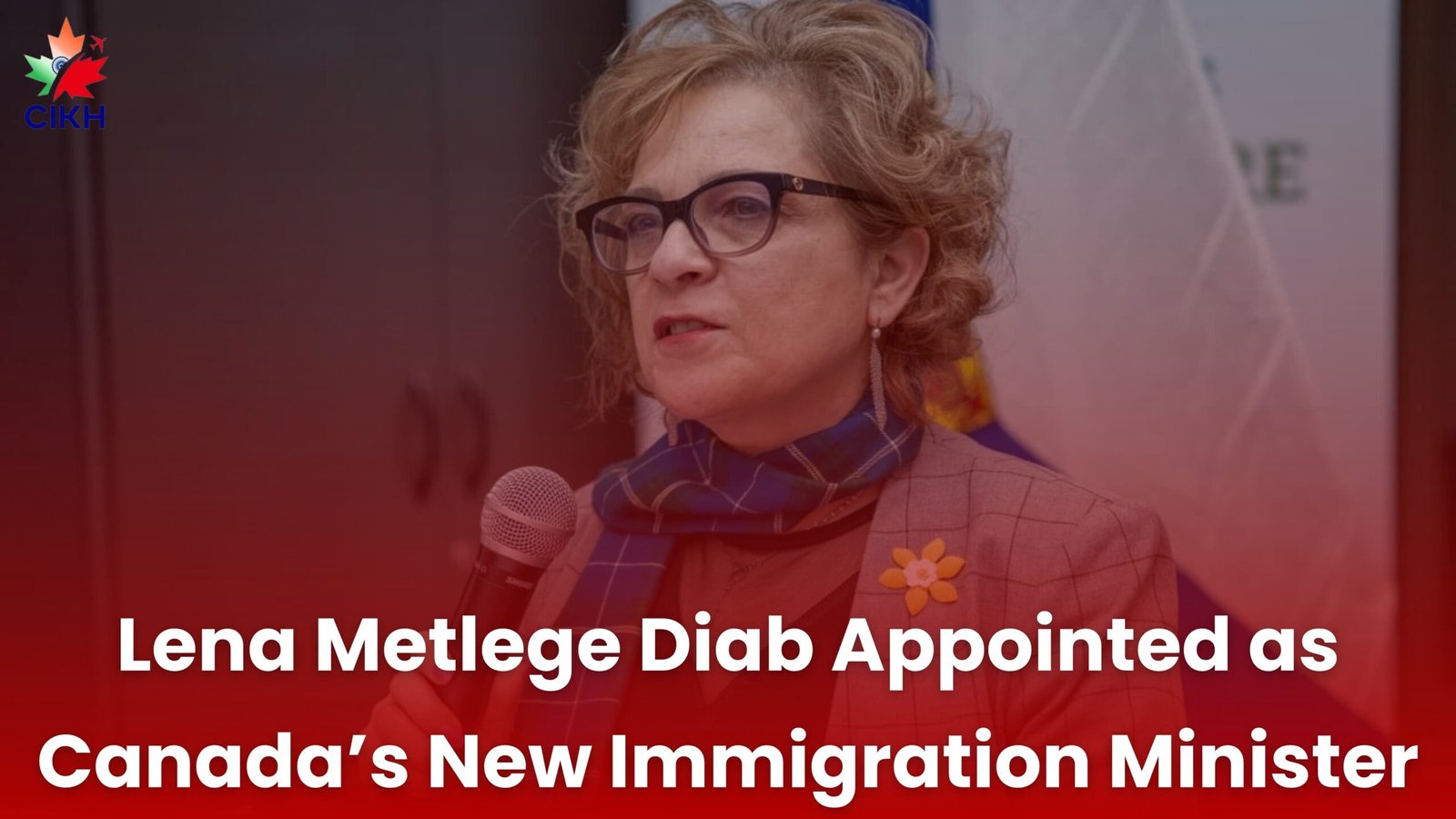
Lena Metlege Diab Appointed as Canada’s New Immigration Minister
Following the recent federal election victory by the Liberal Party, newly appointed Prime Minister Mark Carney has introduced a new Minister of Immigration. Lena Metlege Diab, Member of Parliament for Halifax West, has been named the new head of Immigration, Refugees and Citizenship Canada (IRCC), replacing outgoing minister Rachel Bendayan. Cabinet reshuffles are a routine occurrence in Canadian politics after elections, offering the prime minister an opportunity to realign ministerial roles in response to performance evaluations, political priorities, or policy direction. The last major shuffle took place in March 2025, when Bendayan succeeded Marc Miller as Immigration Minister. Book Your Consultation for Canadian Immigration Who is Lena Metlege Diab? Lena Metlege Diab brings extensive legal and political experience to her new role. She previously served as Nova Scotia’s Minister of Immigration from 2013 to 2021. She was the first woman of Lebanese descent elected to a Canadian legislature and the first woman to hold the roles of Attorney General and Minister of Justice in Nova Scotia. During her tenure as Nova Scotia’s Immigration Minister, Diab led major reforms, including record numbers of new permanent resident nominations, the creation of new immigrant entrepreneur streams, and early adoption of Express Entry-aligned provincial programs. Beyond immigration, Diab also held roles as Nova Scotia’s Minister of Acadian Affairs and Francophonie, and Minister of Labour and Advanced Education. Born and raised in Halifax to Lebanese immigrant parents, Diab is fluent in English, French, and Arabic. She holds degrees in commerce and law from Saint Mary’s University and Dalhousie University, respectively. Before entering politics, she worked as a lawyer and operated a small business. She also served seven terms as president of the Canadian-Lebanon Society of Halifax, becoming its first female president. According to her campaign biography, Diab’s political values are anchored in “diversity, inclusion, collaboration, and fairness.” What to Expect from Immigration Policy Under Prime Minister Carney With Mark Carney now at the helm of Canada’s government, the country’s immigration strategy may see changes. While his official mandate letters to ministers have not yet been released, Carney has previously indicated support for: The Growing Significance of the Immigration Portfolio Immigration remains central to Canada’s economy and population growth. It now accounts for nearly all of the country’s labour force and demographic expansion. Given its national importance, immigration policy is frequently subject to political debate, media coverage, and public interest. The IRCC has broad discretionary authority to implement changes that impact international students, workers, families, and employers. For example, the minister has the power to introduce or suspend public policies—such as changes to work permit criteria or student work hour limits—without needing parliamentary approval. As Diab takes over this high-profile portfolio, all eyes will be on how she and Prime Minister Carney shape the future of Canada’s immigration system.
IRCC Conducts First CEC Draw in Over Three Months
Immigration, Refugees and Citizenship Canada (IRCC) has issued another round of Invitations to Apply (ITAs) through the Express Entry system. Book Your Consultation for Canadian Immigration In the latest draw, 500 ITAs were sent to candidates under the Canadian Experience Class (CEC). To qualify, applicants were required to have: 2025 Express Entry Draw Summary Date Draw Type Number of ITAs CRS Cut-off May 13 Canadian Experience Class 500 547 May 12 Provincial Nominee Program 511 706 May 2 Healthcare and Social Services 500 510 May 1 Education 1,000 479 April 28 Provincial Nominee Program 421 727 April 14 Provincial Nominee Program 825 764 March 21 French-Language Proficiency 7,500 379 March 17 Provincial Nominee Program 536 736 March 6 French-Language Proficiency 4,500 410 March 3 Provincial Nominee Program 725 667 February 19 French-Language Proficiency 6,500 428 February 17 Provincial Nominee Program 646 750 February 5 Canadian Experience Class 4,000 521 February 4 Provincial Nominee Program 455 802 January 23 Canadian Experience Class 4,000 527 January 8 Canadian Experience Class 1,350 542 January 7 Provincial Nominee Program 471 793 This latest draw is the fourth held in May, following three earlier rounds targeting healthcare professionals, education sector workers, and Provincial Nominee Program (PNP) candidates. So far in 2025, IRCC has issued 34,440 ITAs through the Express Entry system. Breakdown of 2025 Express Entry Draws by Category Draw Type Number of Draws Provincial Nominee Program (PNP) 8 Canadian Experience Class (CEC) 4 French-Language Proficiency 3 Education 1 Healthcare and Social Services 1 Transition in Immigration Leadership Today’s draw marks the final Express Entry selection overseen by outgoing Immigration Minister Rachel Bendayan. Canada’s newly appointed Minister of Immigration, Lena Metlege Diab, will take over future draws. Her appointment, announced on May 13 by Prime Minister Mark Carney as part of a cabinet reshuffle, signals a potential shift in immigration policy. Under Minister Diab’s leadership, and in line with Prime Minister Carney’s vision, the government is expected to: Further policy details are anticipated with the release of Minister Diab’s official mandate letter.
How to secure job offer with in rural area for RCIP program
Canada Expands Invitations for PNP Candidates in Recent Express Entry Draw
Immigration, Refugees and Citizenship Canada (IRCC) has issued 511 Invitations to Apply (ITAs) through a Provincial Nominee Program (PNP)-specific draw under the Express Entry system. To be eligible for this draw, candidates were required to: Express Entry Draws in 2025 – Summary Date Draw Type Number of ITAs CRS Cut-off May 12 Provincial Nominee Program 511 706 May 2 Healthcare and Social Services 500 510 May 1 Education 1,000 479 April 28 Provincial Nominee Program 421 727 April 14 Provincial Nominee Program 825 764 March 21 French Language Proficiency 7,500 379 March 17 Provincial Nominee Program 536 736 March 6 French Language Proficiency 4,500 410 March 3 Provincial Nominee Program 725 667 February 19 French Language Proficiency 6,500 428 February 17 Provincial Nominee Program 646 750 February 5 Canadian Experience Class 4,000 521 February 4 Provincial Nominee Program 455 802 January 23 Canadian Experience Class 4,000 527 January 8 Canadian Experience Class 1,350 542 January 7 Provincial Nominee Program 471 793 The May 12 draw marks the third Express Entry round this month, following two category-based draws on May 1 and 2 for candidates in the education and healthcare and social services categories, respectively. Total Invitations in 2025 To date, 33,940 ITAs have been issued under Express Entry in 2025. Breakdown of Express Entry Draws by Category Draw Category Number of Draws Provincial Nominee Program (PNP) 8 French Language Proficiency 3 Canadian Experience Class (CEC) 3 Education 1 Healthcare and Social Services 1 Who Submits Profiles to Express Entry? Each year, Canada receives Express Entry profiles from newcomers representing over 100 countries. The Express Entry system does not select candidates based on nationality. Instead, it uses the Comprehensive Ranking System (CRS) to evaluate candidates based on: This merit-based approach enables Canada to attract highly skilled individuals from diverse professional and cultural backgrounds, helping to address the country’s evolving labour market needs.
Ontario PNP 2025: Will Increased Draws Be Necessary to Meet Immigration Quota?
Ontario, one of Canada’s most popular provinces for immigrants, has the largest Provincial Nominee Program (PNP) quota of any Canadian province. However, as of mid-2025, the province has conducted no significant draws under its Ontario Immigrant Nominee Program (OINP), despite the fact that half of the year has already passed. With a significantly reduced PNP allocation for 2025 compared to previous years, many are wondering whether Ontario will need to conduct more frequent and larger draws in the second half of the year to meet its quota. The answer, based on historical trends and current circumstances, is likely yes. Book Your Consultation for Canadian Immigration Ontario’s 2025 PNP Allocation In 2025, Ontario’s allocation of nominations through the Provincial Nominee Program was reduced by 50%, from 21,500 nominations in 2024 to just 10,750. This sharp reduction in the provincial nomination quota has raised concerns regarding the pace and volume of Ontario’s immigration draws this year. The reduced target, coupled with minimal activity in the first half of the year, suggests that Ontario will likely need to ramp up its draw activity as the year progresses in order to meet its quota. The Slow Start: Only One Draw in 2025 As of May 2025, Ontario’s Immigrant Nominee Program (OINP) has held only one draw for the year, which occurred on January 15. In this single draw, only four Invitations to Apply (ITAs) were issued under the Employer Job Offer: Foreign Worker stream. This incredibly low draw activity in the first five months of the year raises several questions about the future of the PNP process in Ontario. The lack of draws during the early part of the year could be due to a number of factors, including delays in administrative planning, adjustments in immigration policies, or coordination with federal immigration targets. Given the complexity of immigration management at both the provincial and federal levels, it is not uncommon for provinces like Ontario to experience delays in their nomination activities. Historical Trends: Ontario’s Draws Ramp Up Later in the Year Although the year has started slow, it’s important to note that Ontario has historically ramped up its PNP activity during the second half of the year to meet its annual nomination quota. The first half of the year often experiences fewer draws due to several administrative and policy-related factors. This means that even though Ontario has only held one draw thus far, the likelihood of more frequent draws in the coming months remains high. Typically, Ontario aims to issue most of its PNP nominations toward the latter part of the year, especially as the end of the year approaches and the province works to meet its target. Therefore, it is very possible that Ontario will hold several larger draws in the second half of 2025 to catch up on the pace of its nominations. Federal Immigration Adjustments Impacting Provincial Draws In addition to Ontario’s internal adjustments, there are also broader federal immigration policies that may be influencing the timing and frequency of provincial nominations. Changes in federal immigration quotas, shifts in federal Express Entry draws, and the alignment of federal and provincial immigration targets can all affect when and how provinces like Ontario conduct their PNP draws. In particular, Ontario often aligns its draws with the federal Express Entry system, which helps manage immigration applications for skilled workers. Adjustments in federal immigration policies, such as the introduction of new immigration categories or changes in the number of Express Entry candidates invited to apply, can have a direct impact on the provincial nomination process. What This Means for Applicants For those who are considering applying for immigration to Ontario through the OINP, there are several important steps to keep in mind as the year progresses. Whether you are targeting one of Ontario’s Express Entry-aligned streams or another provincial stream, it’s crucial to stay informed and proactive. Here’s what applicants should focus on: Looking Ahead: What Will Happen in the Second Half of 2025? In light of Ontario’s reduced PNP quota and slow start to the year, it is very likely that the province will need to conduct more frequent and larger draws in the second half of 2025 to meet its targets. Applicants should stay alert for announcements of upcoming draws, especially as the provincial government ramps up its activity in response to its reduced allocation. While it’s still unclear how exactly the remaining draws will unfold, the key takeaway is that Ontario’s immigration program is far from over for 2025. Officials expect a surge in nominations in the second half of the year, giving applicants another opportunity to secure a provincial nomination and move toward permanent residency in Canada. In conclusion, staying proactive, informed, and prepared is the best strategy for those hoping to take advantage of Ontario’s PNP opportunities in the months ahead.

How Ontario PNP Verifies Employment Authenticity Before Making Application Decisions
The Ontario Immigrant Nominee Program (OINP) offers skilled workers, international students, and in-demand professionals a pathway to permanent residence in Canada. A critical component of this process is the verification of employment offers to ensure they meet program criteria and are genuine. To uphold the integrity of the program and prevent fraudulent applications, the OINP employs a multifaceted approach to verify the authenticity of employment before making decisions on applications. Book Your Consultation for Canadian Immigration 1. Direct Employer Contact To confirm the legitimacy of a job offer, the OINP may initiate direct communication with the employer. This contact can occur via phone or email and serves to verify key details of the employment, such as: Employers are expected to respond promptly and provide accurate information. Any discrepancies between the employer’s confirmation and the applicant’s submission can lead to delays or rejection of the application. 2. Candidate Interviews In certain cases, applicants may be required to participate in interviews as part of the verification process. These interviews assess whether the candidate possesses a genuine understanding of their job and work environment. Applicants may be asked detailed questions about their daily tasks, workplace layout, colleagues, and commute. Inconsistencies between the applicant’s responses and the information provided in the application can raise concerns about the authenticity of the employment claim. 3. Request for Supporting Documents To substantiate the employment claim, the OINP may request additional supporting documents from the applicant. These documents help verify the details of the job offer and the applicant’s employment history. Commonly requested documents include: Failure to provide these documents or inconsistencies within them can lead to delays or denial of the application. 4. Labour Market Impact Assessment (LMIA) In some cases, employers must demonstrate that they have made reasonable efforts to hire Canadian citizens or permanent residents before offering the job to a foreign worker. This is typically done through a Labour Market Impact Assessment (LMIA), which assesses the impact of hiring a foreign worker on the Canadian labor market. A positive LMIA indicates that there is a genuine need for a foreign worker to fill the job. Employers must provide proof of these recruitment efforts, such as job advertisements and interview records, to the OINP. 5. Compliance with Provincial Employment Standards The OINP collaborates with the Ministry of Labour to ensure that employers adhere to provincial employment standards. This includes verifying that employers are not violating labor laws or engaging in practices that could exploit foreign workers. The Ministry of Labour Compliance Check form is used to assess whether employers are in compliance with employment standards, health and safety regulations, and whether there are any ongoing labor disputes. Conclusion The Ontario Immigrant Nominee Program employs a comprehensive approach to verify the authenticity of employment offers. Through direct employer contact, candidate interviews, requests for supporting documents, and collaboration with provincial labor authorities, the OINP ensures that only genuine job offers are considered in the immigration process. Applicants must provide accurate and complete information and be prepared to substantiate their employment claims to avoid delays or denial of their application. For more detailed information and the latest updates on the OINP, applicants should refer to the official Ontario government website.