

Canada, long known as a prime destination for international students, workers, and visitors, has taken a dramatic turn in its immigration policies. In 2024, the country rejected an unprecedented 2,359,157 temporary resident applications—50% of all submissions—marking a sharp increase from the 35% refusal rate in 2023. This shift, driven by stricter visa regulations, has sent shockwaves through global applicant communities. Visitor visas, study permits, and work permits are now under intense scrutiny, reshaping Canada’s reputation as a welcoming nation. Book Your Consultation for Canadian Immigration A Record-Breaking Rejection Wave According to Immigration, Refugees and Citizenship Canada (IRCC), the 2.36 million refusals in 2024 represent the highest rejection rate since before the COVID-19 pandemic. This 15% increase from 2023 spans three main categories: This aligns with the government’s broader strategy to reduce temporary residents from 6.5% to 5% of Canada’s population by 2026, as announced by IRCC in March 2024. Why Are Refusals Increasing? 1. Population Control and Resource Management Canada’s population surged post-pandemic, straining housing, healthcare, and public services. By 2023, temporary residents accounted for 6.5% of the population, prompting a policy shift to bring this figure down to 5% by 2026. 2. International Student Program Overhaul Reforms in 2024 aimed to stabilize Canada’s education sector: 3. Visitor Visa Scrutiny Visitor visa refusals surged to 54% as officials tightened screening to prevent overstays. Common rejection reasons included insufficient home-country ties and vague travel purposes. 4. Work Permit Adjustments Unlike other categories, work permit refusals dipped slightly to 22%, reflecting a balanced approach between economic needs and immigration control. New Labour Market Impact Assessments (LMIAs), introduced in November 2024, targeted low-value applications while ensuring essential labor supply. Economic Impact: A Double-Edged Sword The Upside: Relieving Infrastructure Pressure The Downside: Risks to Talent and Tourism What’s Next? As 2025 approaches, Canada’s immigration future remains uncertain. IRCC’s 2025-2027 Immigration Levels Plan, released in October 2024, suggests continued restraint. However, economic needs—such as labor shortages and an aging population—may prompt policy adjustments. For prospective applicants, the road ahead is tougher. Experts advise strengthening applications with solid documentation, including proof of funds, strong home-country ties, and clear intent to depart after temporary stays.

How to Strengthen Your Canada Visitor Visa Application and Avoid Refusal
Applying for a visitor visa to Canada may seem straightforward, but approval is not guaranteed. In fact, 2024 saw a sharp rise in visa rejections, partly due to changes in the Canada visitor visa guidelines. If you are considering applying for a Canadian visitor visa, it’s crucial to understand the factors that could influence your chances of success. This guide provides essential tips to improve your application and reduce the risk of a refusal. 1. Overcome Criminal Inadmissibility for Canada If you’ve been convicted of a crime, you could be deemed criminally inadmissible, making you ineligible for entry into Canada. However, there are ways to address this issue: An experienced immigration lawyer can help by providing a legal opinion letter, which details how your foreign offense compares to Canadian law and can improve your chances of a successful application. Book Your Consultation for Canadian Immigration 2. Address Complicated Travel History Transparently A complicated travel history, such as overstaying a visa or having prior visa refusals, can hurt your application. To improve your chances, be upfront and transparent with immigration authorities about your past travel history. Failure to disclose such information is considered misrepresentation, which could lead to visa refusal and a five-year ban from entering Canada. 3. Resolve Residency Issues Before Applying Applicants with illegal status in their country of residence may face difficulties when applying for a visitor visa to Canada. If you are facing such a situation, it’s advisable to resolve it before submitting your application. This will strengthen your application and show that you are a low-risk applicant. 4. Stay Informed About Recent Changes to Canada Visitor Visa Validity In November 2024, Canada’s Immigration, Refugees and Citizenship Canada (IRCC) updated its guidelines regarding the issuance of visitor visas. These changes are important to understand: This shift from the previous policy, where multiple-entry ten-year visas were more common, means that each application will be considered on a case-by-case basis. 5. Strengthen Your Application with Supporting Documents Your application can stand out with the right supporting documentation. Consider including the following: 6. Be Prepared for the Visitor Visa Interview In some cases, you may be asked to attend an interview as part of the visa application process. To prepare: The interview can be a crucial part of your application process, so it’s important to approach it with preparation and confidence. Conclusion While applying for a Canadian visitor visa may seem like a routine process, success requires careful attention to detail. By addressing issues such as criminal inadmissibility, providing full disclosure of your travel history, resolving residency issues, and understanding the latest changes in visa guidelines, you can strengthen your application and reduce the risk of refusal. Take the time to gather all the necessary supporting documents and present your case clearly to improve your chances of approval. By following these tips, you can maximize your chances of successfully obtaining a Canadian visitor visa and enjoy your time in one of the most welcoming countries in the world.

New IRCC Update: Major PGWP Eligibility Issues Resolved
Recently, panic spread across the internet when Canada’s Immigration, Refugees and Citizenship Canada (IRCC) announced unexpected “text changes” to the Post-Graduation Work Permit (PGWP) eligibility rules on its website. Students were left fearing that their dreams of working in Canada after graduation might be slipping away. But don’t worry—IRCC has now clarified the situation, and the updated rules are a major relief for international students. Book Your Consultation for Canadian Immigration If you applied for your study permit before November 1, 2024, you’re in the clear! Here’s everything you need to know about the latest update. What’s the PGWP and Why Does It Matter? The Post-Graduation Work Permit is a game-changer for international students graduating from Canadian institutions. It allows you to stay and work in Canada after your studies, gaining valuable experience that could lead to permanent residency. However, not every graduate qualifies. Eligibility is based on factors like your school, program, and even your passport’s expiry date. The recent confusion around PGWP eligibility had many students worried, but IRCC’s latest clarification has come as a welcome relief. IRCC Update: Pre-November 1, 2024 Applicants Are Safe! Here’s the key takeaway: if you submitted your study permit application before November 1, 2024, you’re exempt from the new restrictions. Earlier this year, IRCC tightened the rules, limiting PGWP eligibility to graduates from programs in high-demand fields like healthcare, tech, and trades. This sparked concern for students in other fields. But the corrected IRCC website now confirms that those who submitted their applications before the deadline won’t be affected by these new field-of-study requirements. Relief has finally arrived! For those applying on or after November 1, 2024, the new rules apply, meaning your program must align with Canada’s long-term labour shortages. Unsure if your field qualifies? Check the updated list of eligible fields. How Long Can You Work with a PGWP? The length of your work permit depends on the length of your program. Here’s the breakdown: Pro Tip: Your passport must be valid for the entire duration of your PGWP, or the permit will be shortened accordingly. If your passport expires early, you can apply for a renewal, but it will be at the discretion of the IRCC officer. Who Can Apply? Full Eligibility Breakdown To qualify for a PGWP, you need to meet the following requirements: Language Skills (For Post-November 1, 2024 Applicants): Who’s Exempt? You cannot apply if you: Special Cases You Need to Know What’s Behind the Update? The initial confusion over PGWP eligibility caused panic in student forums and social media, with many fearing their Canadian dream was over. IRCC’s swift clarification not only restores hope but also highlights Canada’s commitment to maintaining a fair and transparent immigration system. The goal of these changes is to balance the country’s labor needs with its appeal to international students who contribute billions to the economy annually. Your Next Steps The clock is ticking—make sure to share this news with every student you know, as this update could be a game-changer for their Canadian journey!
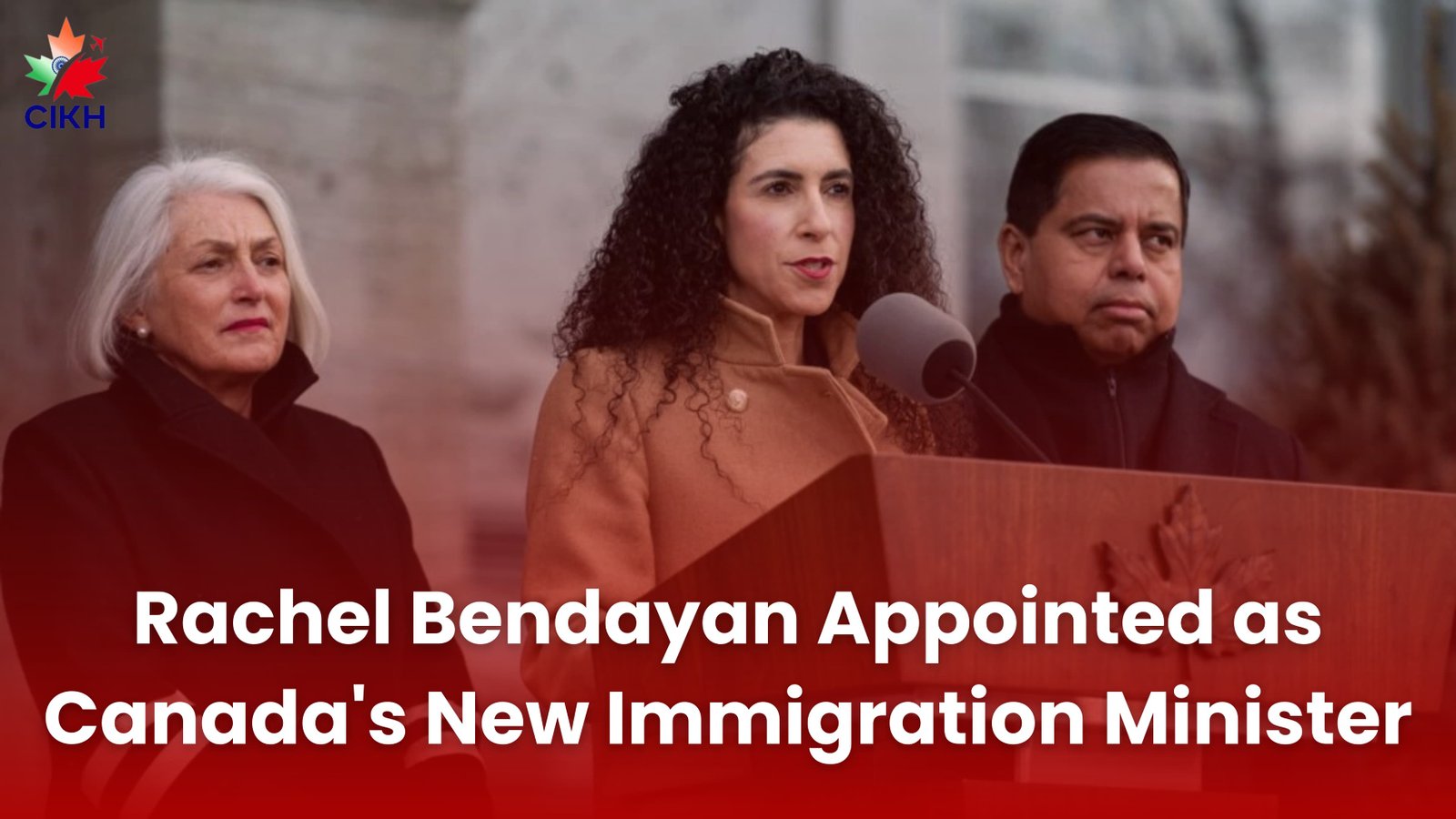
Rachel Bendayan Appointed as Canada’s New Immigration Minister
Mark Carney, Canada’s New Prime Minister, Announces Cabinet Changes Ahead of 2025 Election, Including Immigration Minister Shuffle Canada’s new Prime Minister, Mark Carney, has revealed his cabinet lineup in preparation for the 2025 federal election, which includes a reshuffling of the immigration ministry. Rachel Bendayan, the Member of Parliament for Outremont, Quebec, has been appointed as the new Minister of Immigration. She replaces Marc Miller, who previously held the position. Cabinet reshuffles are common in Canadian politics, offering Prime Ministers the chance to reassign ministers to different roles or remove them entirely. These changes are often made for various reasons, such as rewarding strong performance, addressing underperforming departments, or aligning government policies with public sentiment. Book Your Consultation for Canadian Immigration The last major shuffle occurred in July 2023, when Marc Miller took over from Sean Fraser as Immigration Minister. In this article, we will discuss: Who is Canada’s New Immigration Minister? Rachel Bendayan has had an extensive career in Canadian politics, including serving as the Minister of Official Languages. She has also worked as Parliamentary Secretary to the Deputy Prime Minister and Minister of Finance, the Minister of Tourism and Associate Minister of Finance, and the Minister of Small Business, Export Promotion, and International Trade. Born into a Moroccan-Jewish family and raised in Quebec, Minister Bendayan holds a Bachelor of Arts in International Development Studies and a joint Bachelor of Civil Law/Juris Doctor degree from McGill University. Before entering politics, she enjoyed a successful legal career at Norton Rose Fulbright, focusing on litigation and international arbitration, particularly in international trade law. Bendayan has also taught law at the Université de Montréal. Immigration Policy Under Prime Minister Mark Carney The new administration now guides Canada’s immigration policy under Prime Minister Mark Carney and the newly appointed Immigration Minister, Rachel Bendayan. Ministers, including the Immigration Minister, receive Mandate Letters from the Prime Minister, outlining their objectives and challenges. While Prime Minister Carney’s specific vision for immigration is still evolving, previous statements indicate his priorities. Among other points, Carney has advocated for: The Impact of Marc Miller on Canada’s Immigration System Marc Miller’s time as Immigration Minister saw substantial changes to Canada’s immigration policies, particularly with regard to limiting both temporary and permanent immigration levels. Many of Miller’s policies were designed to reduce the influx of newcomers, aiming to address issues like domestic housing and affordability challenges. Key actions during his tenure included: The Importance of the Immigration Portfolio Immigration remains a pivotal issue in Canadian society, as it plays a crucial role in bolstering Canada’s labor market and demographic growth. Marc Miller consistently emphasized the significant impact of immigration on Canada’s economy, even helping the country avoid a recession in 2023. The importance of the immigration portfolio is underscored by the prominent roles that past Immigration Ministers have taken on after their tenure. For instance, Sean Fraser, who preceded Miller, is now the Minister of Housing Infrastructure and Communities—a key position given the ongoing housing crisis in Canada. Similarly, Marc Mendicino, Miller’s predecessor, went on to serve as the Minister of Public Safety until 2023 and is now the Chief of Staff-designate under Mark Carney. Additionally, Canada’s immigration department (IRCC) enjoys a level of autonomy not commonly seen in other government sectors, allowing it to implement significant policy changes quickly. One example is the temporary COVID-era policy lifting work hour caps for international students, which allowed them to work unlimited hours off-campus during regular semesters. This was a departure from the previous limit of 20 hours per week, though the cap is now set at 24 hours. In summary, immigration remains a central issue in Canadian politics, with significant influence over the country’s economy and society. The new immigration minister will play a key role in shaping the future of Canada’s immigration policies.
Canada Introduces New Measures to Grant Citizenship to Lost Canadians
On March 13, 2025, Marc Miller, the Minister of Immigration, Refugees, and Citizenship, announced temporary measures to grant citizenship to “lost Canadians.” Additionally, Miller stated that the government would seek a 12-month extension to preserve the current “first-generation limit” on Canadian citizenship by descent. This move comes in response to delays in passing Bill C-71, a proposed law designed to overhaul how Canadian citizenship is passed down to children born abroad. Book Your Consultation for Canadian Immigration Here’s everything you need to know about these developments, including what they mean for Canadian families, the interim measures in place, and why this matters globally. What Is the First-Generation Limit? The “first-generation limit” is a provision in Canada’s Citizenship Act that limits who can inherit citizenship from their parents. Under the existing law, if a Canadian citizen is born outside of Canada, their child—also born abroad—won’t automatically acquire Canadian citizenship. This restriction applies only beyond the first generation. Children born abroad to Canadian citizens (whether born in Canada or naturalized) can inherit citizenship. However, if both the parent and the child are born outside of Canada, citizenship cannot be passed down. For example, if Sarah, a Canadian citizen born in Toronto, moves to London and has a son named James, James will automatically become a Canadian citizen. However, if James has a daughter named Lily in London, she won’t inherit Canadian citizenship because James wasn’t born in Canada. This rule, introduced in 2009, was designed to limit the inheritance of citizenship by descent beyond the first generation. Why Is This Rule Under Scrutiny? On December 19, 2023, the Ontario Superior Court of Justice ruled that the first-generation limit is unconstitutional, stating that it unfairly discriminates against Canadians born abroad and creates a “second-class” citizenship status. Families have faced significant challenges because of this rule. For instance, a Canadian engineer working in Dubai might hesitate to start a family there, knowing their child wouldn’t have Canadian citizenship. The government acknowledged the policy’s flaws rather than contesting the ruling. Minister Marc Miller said in his statement on March 13, 2025, that “this law has had unacceptable consequences for Canadians whose children were born outside the country.” In May 2024, the Liberal government introduced Bill C-71 to address the issue, proposing reforms to extend citizenship beyond the first generation while keeping the process fair. Bill C-71: A Potential Game-Changer Stuck in Limbo Bill C-71, officially titled An Act to Amend the Citizenship Act (2024), aims to rewrite the rules governing Canadian citizenship by descent. If passed, Bill C-71 would: For example, if David, a Canadian born in Vancouver, moves to New York and has a daughter named Emma, Emma would automatically become a Canadian citizen. Under Bill C-71, if Emma later has a son named Noah in New York, Noah would also be eligible for Canadian citizenship, provided Emma spends three years living in Canada. However, Bill C-71 hasn’t passed yet. With Parliament currently prorogued until March 24, 2025, no legislation can advance until then. The court’s deadline to address the issue is March 19, 2025, just days before Parliament reopens. Without an extension, the first-generation limit could be completely invalidated, leading to legal complications. Why Canada Seeks a 12-Month Extension The government is requesting a 12-month delay to allow Parliament time to reintroduce and pass Bill C-71. The original court ruling was temporarily suspended until June 19, 2024, and later extended to March 19, 2025, due to slow progress on the legislation. With Parliament temporarily on hold following Prime Minister Justin Trudeau’s resignation as Liberal leader in January 2025, the government now seeks until March 19, 2026, to finalize the law. Passing a law is a lengthy process involving debates, committee reviews, votes in both the House of Commons and Senate, and Royal Assent. With Parliament’s prorogation, all pending bills, including Bill C-71, were wiped out. Reintroducing and passing the bill will take time, and the government wants to avoid rushing the process. Interim Measures: Relief for Families While waiting for the legislation to move forward, Minister Miller has introduced temporary relief under subsection 5(4) of the Citizenship Act. This allows for discretionary grants of citizenship to certain groups. Here’s who qualifies under the interim measures: For example, if Maria, a Canadian born in Montreal, moves to Sydney, Australia, and has a son named Liam in 2020, Liam wouldn’t have been eligible for Canadian citizenship because Maria was born abroad. Under the interim measures, Liam can now apply for a discretionary grant. Applications will be processed by the IRCC, which may require proof like travel records or residency documents. In urgent cases, the process may be expedited. Real-Life Impact: Personal Stories Behind the Policy These changes have significant personal implications. Take Ahmed, a Canadian software developer born in Ottawa. He works in Silicon Valley, where his daughter Aisha was born in 2022. Aisha inherited Canadian citizenship, but if she has children abroad, they would not automatically be Canadian citizens without Bill C-71. Or consider Priya, born in India to Canadian parents. While she grew up with a Canadian passport, her son, born in 2024 in Mumbai, is not eligible for citizenship. Priya is now trying to log 1,095 days in Canada to meet the potential requirements of Bill C-71. These stories highlight why the stakes are high for families impacted by these rules. Why Canadian Citizenship Matters Globally Canadian citizenship isn’t just about status—it’s a symbol of opportunity. Ranked seventh on the Henley Passport Index, a Canadian passport grants visa-free access to 188 countries. It is seen as a symbol of stability, opportunity, and inclusion, attracting millions to Canada every year. The first-generation limit undermines this image, critics argue, by penalizing Canadians who work or study abroad, such as diplomats, academics, or tech workers, by denying their children the same rights. The Ontario court agreed, stating that the law breaches equality under the Canadian Charter of Rights and Freedoms. What Happens If the Extension Request Is Denied? If the court denies the 12-month

New List of Education Occupations for Express Entry Draws 2025
Canada’s Express Entry system has introduced exciting updates in 2025, featuring a new education category designed to fast-track permanent residency for skilled professionals with experience in 5 key occupations. This targeted category aims to address critical staffing needs in schools, daycare centers, and specialized institutions across the country. If you work as an early childhood educator, a secondary school teacher, or an instructor for individuals with disabilities, this new category could be your path to Canadian permanent residency. An important point to note is that each National Occupational Classification (NOC) code under this category includes multiple job titles, expanding your chances of eligibility. Book Your Consultation for Canadian Immigration In this article, we’ll break down the newly introduced education occupations for Express Entry draws and highlight the various job titles within each NOC code. Let’s explore the details so you can take full advantage of this immigration opportunity! 1. NOC 43100 – Elementary and Secondary School Teacher Assistants Role Overview: These professionals assist students and teachers with both instructional and non-instructional duties, such as personal care and behavior management. They work in public and private schools, as well as special needs and treatment centers. Example Job Titles: 2. NOC 42203 – Instructors of Persons with Disabilities Role Overview: These instructors empower children and adults with disabilities by using specialized techniques to improve communication, rehabilitation, social skills, and independence. They work in rehabilitation centers, specialized schools, and general school systems. Example Job Titles: 3. NOC 42202 – Early Childhood Educators and Assistants Role Overview: Early childhood educators design and implement programs for children from infancy to age 12, while assistants provide supportive care under their guidance. These roles focus on fostering intellectual, physical, and emotional development in settings like daycare centers, kindergartens, and childcare agencies. Example Job Titles: 4. NOC 41221 – Elementary School and Kindergarten Teachers Role Overview: These teachers provide foundational education in subjects like reading, writing, and math, or specialized areas like second languages in public and private elementary schools. Example Job Titles: 5. NOC 41220 – Secondary School Teachers Role Overview: Secondary school teachers educate students in academic, technical, vocational, or specialized subjects at public and private high schools. This category also includes department heads. Example Job Titles: The new education occupations list for Express Entry highlights an urgent demand for education professionals. By targeting these roles, Immigration, Refugees and Citizenship Canada (IRCC) is creating opportunities for skilled workers from around the world to contribute to Canada’s classrooms and child-care systems. Whether you’re already in Canada or working internationally, this category could accelerate your path to permanent residency in 2025. Why Is This Category Important for You? The new education occupations list for Express Entry offers a significant opportunity for teachers, educators, and support staff looking to build a future in Canada. With a variety of job titles under each NOC code, this category broadens eligibility and provides a clear route to immigration success in 2025. Who Qualifies for the Education Category in Express Entry? To be eligible, you need at least 6 months of full-time, continuous work experience (or equivalent part-time experience) in one of the listed occupations within the last 3 years. This experience can be from within Canada or abroad. You must also meet specific criteria as outlined in each Express Entry draw. It’s important to note that to meet the general eligibility criteria for Express Entry, you must have at least 1 year of skilled work experience in the last 3 years, either in a single occupation or a combination of related jobs. Can I Gain Experience Outside Canada and Still Qualify? Yes! As of March 13, 2025, you can gain the required 6 months of experience in an eligible occupation—whether inside or outside Canada—and still qualify for this category. However, keep an eye on updates from IRCC, as eligibility rules may change. Ready to make your move? Start aligning your experience with these in-demand roles today and take the first step toward your Canadian permanent residency!

7 Most Popular Pathways to Canada Permanent Residency in 2025
Canada’s appeal as a top destination for immigrants is steadily increasing, with a target to welcome 395,000 new permanent residents in 2025. While this goal has been scaled down from 500,000, it still offers strong opportunities for individuals seeking Canadian permanent residency in the coming year. The Canadian immigration department’s focus for 2025 is twofold: transitioning temporary residents within Canada to permanent status and welcoming new immigrants from abroad. Book Your Consultation for Canadian Immigration Here’s a breakdown of the top seven immigration programs that can guide your path to becoming a permanent resident of Canada: 1. Express Entry: The Fast Track to PR As Canada’s flagship immigration system, Express Entry is designed for skilled workers eager to contribute to the Canadian economy. Here’s how it works: 2. Provincial Nominee Programs (PNPs): Tailored to Local Needs PNPs offer a tailored pathway for those wishing to settle in specific Canadian provinces: 3. Business Immigration: For Entrepreneurs and Investors For those looking to invest or establish a business in Canada: 4. Family Sponsorship: Reuniting Loved Ones Family sponsorship allows Canadian citizens or permanent residents to reunite with their loved ones: 5. Atlantic Immigration Program (AIP): A Regional Solution To address labor shortages in Atlantic Canada: 6. New Canada Caregivers Program The Home Care Worker Immigration Pilots, set to open on March 31, 2025, will streamline the process for skilled caregivers to gain permanent residency: 7. New Rural Immigration Pilots Launched on January 30, 2025, Canada introduced two new immigration pilots to address labor shortages in rural and Francophone communities: Navigating the Process Each program has its unique requirements and challenges, but the benefits of living in Canada—a country known for its diversity and quality of life—are vast. Tips for Applicants: Moving to Canada is not just about changing locations; it’s an opportunity to join a vibrant, welcoming community with a wealth of opportunities for growth and success. Canada’s New Immigration Levels for 2025 Canada aims to welcome 395,000 new permanent residents in 2025, down from the previous target of 500,000. This goal also includes transitioning temporary residents already in Canada to permanent status.
Canada’s Immigration Policy in 2025: What’s New?
Canada has long been one of the world’s most immigration-friendly countries, known for its welcoming policies and diverse society. As we enter 2025, the Canadian government has introduced significant updates to its immigration system, aiming to address labor shortages, streamline processing, and attract skilled professionals. If you’re considering immigrating to Canada, understanding these changes is crucial. Let’s dive into what’s new in Canada’s immigration policy for 2025. Book Your Consultation for Canadian Immigration Key Changes in Canada’s Immigration Policy in 2025 The Canadian government has rolled out a series of reforms affecting various immigration pathways. Some of the most notable updates include: These changes are designed to make the immigration process more efficient while addressing key economic and social needs. Express Entry System Updates The Express Entry system remains one of the most popular pathways to permanent residency. In 2025, several updates have been introduced: Provincial Nominee Program (PNP) Enhancements Canada’s provinces have been given increased autonomy to select candidates based on local labor demands. Some key changes include: Changes to Family Sponsorship Programs Reuniting families remains a priority in 2025, with new improvements to the process: Work Permits and Temporary Foreign Workers (TFW) Adjustments Canada is making it easier for temporary foreign workers to transition to permanent residency: International Students and Post-Graduate Work Permits (PGWP) International students continue to be a priority for Canada, with updated policies in 2025: Refugee and Asylum Policy Updates Business and Investor Immigration in 2025 Canada has introduced reforms in business immigration: Canada’s Immigration Targets for 2025 and Beyond The government aims to welcome over 500,000 new immigrants in 2025, with a focus on: Challenges and Criticisms of the 2025 Immigration Policy Despite its ambitious plans, Canada faces several challenges: The Role of Technology in Immigration Processing How to Apply Under the New Immigration Policies Expert Opinions and Future Predictions Immigration experts predict further easing of PR requirements and more targeted draws for skilled workers. Conclusion Canada’s immigration policy in 2025 brings exciting opportunities for newcomers. Whether you’re a skilled worker, student, or investor, the changes make it easier to move to Canada. Stay informed, prepare well, and take advantage of these new pathways!

Mark Carney to Take Over from Trudeau as Canada’s New Prime Minister
Mark Carney, the globally acclaimed economist and former central banker, is set to replace Justin Trudeau as Canada’s next prime minister. Carney triumphed in the Liberal Party leadership contest with an overwhelming 86% of the vote, positioning him as the prime minister-designate following Trudeau’s resignation. Trudeau’s shock departure on January 6, 2025, after a decade in office, paved the way for Carney—a Harvard and Oxford-educated powerhouse with a career steeped in global financial leadership. Now, with a promise to challenge U.S. tariffs, overhaul Canada’s economy with green policies, and lead with no-nonsense decisiveness, Carney’s rise is energizing the nation. Book Your Consultation for Canadian Immigration Who is this man, blending a banker’s mind with a politician’s drive? This article delves into the reasons behind Trudeau’s resignation, Carney’s education, career, political trajectory, family life, and the bold policies he’s staking on Canada’s future. Trudeau’s Resignation: The End of an Era Justin Trudeau’s resignation on January 6, 2025, marked a pivotal moment in Canadian history. Once seen as a progressive champion, Trudeau’s popularity had waned amid soaring inflation, housing challenges, and controversies over immigration. Trudeau’s departure followed months of internal turmoil within the Liberal Party, culminating in the sudden exit of Finance Minister Chrystia Freeland in December 2024 over divergent views on handling Donald Trump’s tariff threats. In his resignation speech, Trudeau acknowledged, “Canada deserves a clear choice, and I can’t give my all if I’m battling my own party.” Polls painted a dire picture for the Liberals, trailing Pierre Poilievre’s Conservatives by double digits, while Trudeau’s approval rating plummeted to the low 20s. The tariff crisis, announced by Trump in February 2025, became the breaking point, highlighting Trudeau’s inability to shield Canada’s trade-dependent economy. Parliament was prorogued until March 24, 2025, setting the stage for a leadership race that would reshape the country. Mark Carney’s Educational Journey: From Fort Smith to Harvard Born on March 16, 1965, in the remote town of Fort Smith, Northwest Territories, Mark Joseph Carney’s early life was shaped by the rugged northern landscape. Raised in a modest Catholic household, Carney’s parents, Robert James Martin Carney, a high school principal, and Verlie Margaret Kemper, a homemaker and later a teacher, nurtured his academic potential. Carney has three siblings—Seán, Brenda, and Brian. At age six, the family relocated to Edmonton, Alberta, where Carney’s academic talents began to emerge. A standout at St. Francis Xavier High School, Carney was both valedictorian and a hockey goalie, earning a partial scholarship to Harvard University. At Harvard, Carney’s passion for economics flourished under the influence of economist John Kenneth Galbraith, leading him to graduate with honors in 1988. He then went on to the University of Oxford, earning an MPhil in 1993 and a DPhil in 1995, while co-captaining the ice hockey team and meeting his future wife, Diana Fox, an economist. A Global Career: Banking Prodigy to Central Bank Luminary Carney’s career trajectory has been a masterclass in ambition and adaptability. After graduating from Oxford, he joined Goldman Sachs in 1990, where he worked across its London, New York, Tokyo, and Toronto offices, eventually rising to managing director. His reputation as a “whiz kid” grew as he handled high-profile projects like assisting post-apartheid South Africa in accessing global bond markets and navigating Russia’s 1998 financial crisis. In 2003, Carney shifted toward public service, joining the Bank of Canada as deputy governor. His career took a monumental leap in 2008 when, at 42, he was appointed Governor of the Bank of Canada—becoming the second-youngest in history. Carney’s swift actions during the 2008 financial crisis helped Canada recover faster than many of its G7 counterparts. In 2013, Carney made history as the first non-Briton to lead the Bank of England, where he guided the UK through the economic uncertainty of Brexit until 2020. His “forward guidance” strategy helped stabilize the economy but drew criticism from some Brexit supporters. After stepping down from the Bank of England, Carney became head of transition investing at Brookfield Asset Management and served as the UN Special Envoy for Climate Action and Finance, further cementing his global standing. Political Career: The Reluctant Politician Though Carney had long denied political ambitions, his connections to Canada’s political sphere were clear. His father had run as a Liberal candidate in Edmonton South in 1980, and Carney himself had friends like Liberal MP Scott Brison who recognized his potential. Carney’s involvement in politics grew over time, notably in 2020, when he advised Trudeau on Canada’s COVID-19 economic recovery. By September 2024, Carney was chairing the Liberal Party’s Task Force on Economic Growth, signaling his increasing political influence. His remarks in a podcast that October, criticizing Conservative leader Pierre Poilievre’s economic understanding, sparked speculation about a potential leadership run. On January 16, 2025, Carney officially launched his bid for leadership in Edmonton, positioning himself as a fresh outsider with new ideas. His landslide victory on March 9, 2025, stunned political insiders, making him the prime minister-designate. Despite having no prior elected office experience, Carney has committed to running as an MP in the upcoming election, likely in his hometown of Edmonton. Family Life: A Personal Snapshot Behind Carney’s formidable career is a supportive family life. He met his wife, Diana Fox, at Oxford, and together they have four daughters. Diana, an economist specializing in climate and finance policy, shares Carney’s passion for sustainability and has worked with think tanks like Canada 2020. The couple’s family ties extend to Canada’s political fabric, with Diana’s connections to former Trudeau adviser Gerald Butts and Carney’s godfather role to Freeland’s son. The Carneys enjoy a balanced home life, often retreating to Quebec for fishing trips with their daughters. Their grounded family values reflect a blend of global influence and personal humility. Carney’s Bold Political Policies: Tariffs, Green Incentives, and Economic Revival Carney’s policy agenda is a blend of pragmatic economic strategy and environmental ambition. His first major test came in February 2025, when the U.S. imposed 25% tariffs on Canadian goods. Carney’s response was firm: retaliatory

New Immigration Measures for 22 Construction Occupations in Canada
On March 7, 2025, the Honourable Marc Miller, Minister of Immigration, Refugees, and Citizenship Canada (IRCC), introduced a series of groundbreaking immigration measures under the 2025–2027 Immigration Levels Plan. Initially seen as modest, these initiatives aim to address immediate workforce shortages while establishing a foundation for long-term growth in Canada’s construction sector. As the country grapples with a housing crisis, labor shortages that are delaying crucial infrastructure projects, and growing trade uncertainties, the federal government has unveiled a bold new plan to support the industry. Key measures include the establishment of a tripartite advisory council, the creation of a regularization pathway for out-of-status workers, and the introduction of new study permit exemptions for foreign apprentices. Together, these measures represent a major shift in Canada’s immigration strategy. To qualify for this draw, candidates needed a minimum Comprehensive Ranking System (CRS) score of 410 and had to have created an Express Entry profile before 7:47 AM Universal Coordinated Time (UTC) on February 11, 2025. Book Your Consultation for Canadian Immigration Understanding the New Measures for the Construction Sector The government’s announcement includes three key initiatives to support the construction sector. Let’s break down each one. 1. Study Permit Exemption for Foreign Apprentices Starting on February 26, 2025, foreign apprentices in eligible construction trades can study without needing a study permit, thanks to a temporary public policy that will last two years. This measure eliminates a significant administrative barrier, allowing workers to acquire skills more quickly and contribute to Canada’s infrastructure projects sooner. Eligibility Requirements: Eligible Occupations: This policy covers various roles within the National Occupational Classification (NOC) system, such as: 2. Regularization Pathway for Out-of-Status Workers A major highlight of this announcement is the creation of a regularization pathway for undocumented construction workers who are already living and working in Canada. Building on the success of a pilot program in the Greater Toronto Area (GTA), this initiative will grant legal status to out-of-status migrants who are contributing to the sector. Who Are Out-of-Status Workers? How It Works: Though specifics are still forthcoming, the regularization process will likely include: The GTA Pilot Program’s Success: The GTA pilot program, which began in 2019, allowed undocumented construction workers to apply for permanent residency. More than 500 workers gained status and contributed to major projects like high-rise condos and transit expansions. The national pathway aims to replicate this success on a larger scale. Why It’s Important: 3. Tripartite Advisory Council: A Collaborative Approach Effective immediately, Canada has formed a tripartite advisory council made up of federal government officials, union representatives, and industry leaders. This council will assess labor needs and recommend new immigration pathways to attract and retain skilled construction workers. Goals of the Council: Why It Matters: Collaboration is essential. By bringing together unions, employers, and policymakers, the council can create practical, region-specific solutions. For example, if there is a shortage of carpenters in British Columbia, but electricians are needed in Alberta, the council can prioritize recruitment based on regional needs. How to Apply for the Study Permit Exemption for Foreign Apprentices 1. Gather Documents: 2. Submit a Web Form Request: 3. Await Approval: This exemption eliminates red tape, enabling apprentices to complete their training more quickly. For instance, a plumber from India with a work permit can now complete their Canadian certification without delays and join the workforce faster. The Bigger Picture: Why Construction Matters to Canada The construction sector is vital to Canada’s economy, employing over 1.5 million people and contributing nearly 7% to the country’s GDP. From skyscrapers in major cities to affordable housing in rural areas, construction workers build the infrastructure that keeps Canada moving. However, the sector faces significant challenges: In response, IRCC is introducing targeted immigration reforms to address these challenges. How These Measures Address Canada’s Challenges: Step-by-Step Guide: How to Benefit from These Measures These measures are part of the broader 2025–2027 Immigration Levels Plan, which aims to balance economic growth with social stability. By prioritizing construction, Canada is signaling its commitment to infrastructure as a national priority. Could this model be applied to other sectors like healthcare or technology? Time will tell, but for now, Canada’s new immigration measures are poised to make a significant impact on the construction industry, reshaping both the sector and the lives of those who build it. Stay informed as these policies roll out and share this article to spread the word.