

Starting November 1, 2024, new language proficiency standards will be required for those applying for the Post-Graduation Work Permit (PGWP). These changes are designed to enhance the ability of international graduates to integrate into the Canadian workforce by ensuring they have the language skills necessary to thrive in the country’s job market. Many of these updates were first mentioned in June 2024, when it was reported that IRCC was planning eight significant changes to the PGWP program. 1) New Criteria for Language Proficiency One of the most notable updates to the PGWP program is the addition of language proficiency requirements. The Canadian government has introduced these requirements to ensure that graduates possess the language skills necessary for success in the workforce and for a smoother transition to permanent residency. For university graduates, a Canadian Language Benchmark (CLB) level of 7 will be required, while college graduates will need to achieve a CLB level of 5. The goal of these language requirements is to improve graduates’ communication abilities, helping them better integrate into both the Canadian workplace and society. This change will also facilitate easier qualification for immigration pathways, such as the Canadian Experience Class (CEC), which often includes language proficiency as a key selection factor. 2) Focusing on Sustained Labour Market Needs In addition to the new language requirements, the updated PGWP rules also emphasize aligning the program with Canada’s labour market needs, as reported earlier in June when IRCC announced it was working on eight major changes to the PGWP. International students graduating from programs related to fields experiencing long-term labour shortages will now be eligible for a PGWP lasting up to three years. This strategic adjustment aims to ensure Canada’s immigration system more effectively addresses the country’s workforce needs. By giving priority to graduates from sectors facing ongoing labour shortages, the government hopes to tackle the country’s evolving economic challenges. Key sectors in demand include healthcare, technology, engineering, and skilled trades—areas experiencing growth due to Canada’s aging population and expanding industries. While IRCC has not yet released a specific list of occupations in long-term shortage for PGWP eligibility, they are focusing on the following sectors for Express Entry targeted draws, which also highlight labour shortages: 3) Building on Previous Changes The latest updates to the PGWP program will replace the changes made earlier in 2024. Before, regulations introduced on February 15, 2024, allowed master’s program graduates to qualify for a three-year PGWP, regardless of the program’s duration. This policy aimed to help master’s graduates transition smoothly into the Canadian workforce by giving them more time to gain valuable work experience and improve their chances of obtaining permanent residency. However, with the new updates coming in November 2024, these students will need to meet specific language proficiency and field of study requirements to qualify for a PGWP. The government aims to streamline the program further, ensuring that international graduates have both the necessary educational qualifications and language skills to succeed in Canada’s economy. 4) Long-Term Effects for International Students The upcoming changes will make the PGWP program more selective, targeting graduates with specific skills and language proficiency that match Canada’s immigration and labour market needs. International students will need to enhance their academic and language preparation before applying for a work permit. Graduates who meet the updated criteria will gain valuable work experience in Canada and will have better chances of transitioning to permanent residency through the available immigration pathways for skilled workers. How CLB Levels Affect PGWP Applicants For international students aiming to apply for a PGWP, understanding the CLB requirements is crucial and attainable. University graduates need to achieve a higher CLB level 7, demonstrating a strong command of English, which is vital for successful integration into Canada’s workforce. In contrast, college graduates need to meet a lower CLB level 5, indicating a basic level of proficiency that remains suitable for certain sectors. These new language requirements show that Canada is prioritizing skilled graduates who can more effectively contribute to the economy. Students should now place a greater emphasis on language training alongside their academic studies.
New Announcement: IRCC Tightens Study Permit Limits and Updates PGWP Eligibility
In response to the changing demands of Canada’s immigration system, the Honourable Marc Miller, Minister of Immigration, Refugees, and Citizenship, announced key new actions to manage the growing number of temporary residents, including international students and foreign workers. These steps are part of a larger plan to tackle labour shortages, protect the asylum system, and ensure temporary residents receive adequate support during their time in Canada. Important Actions Highlighted in the Announcement The new measures, including adjustments to study permits for international students and work permit eligibility, address Canada’s increasing difficulties in managing temporary residents. Minister Miller, alongside the Honourable Randy Boissonnault, Minister of Employment, Workforce Development, and Official Languages, introduced these actions to maintain the sustainability of immigration programs while prioritizing Canadian workers. 1) Decrease in Study Permit Approvals for 2025 One of the most significant updates is the decrease in the intake limit for international student study permits, set to begin in 2025. The government has announced a 10% cut from the 2024 target of 485,000 study permits, reducing the 2025 number to 437,000. This change addresses concerns about the rising number of international students in Canada and the pressure it may place on housing and public resources. For 2026, the intake cap will remain at the 2025 level, maintaining a steady number of new study permits issued. This reduction aims to ensure that international students receive sufficient support as they pursue their education and employment opportunities in Canada. 2) Changes to the Post-Graduation Work Permit (PGWP) Program Another major update involves changes to the Post-Graduation Work Permit (PGWP) Program, which allows international students to work in Canada after finishing their studies. Starting in November 2024, new language proficiency standards will be required for PGWP applicants. University graduates must achieve a Canadian Language Benchmark (CLB) level of 7, while college graduates will need a CLB level of 5. These changes aim to enhance international graduates’ ability to integrate into the Canadian workforce and transition to permanent residency. Furthermore, only graduates from programs linked to occupations facing long-term shortages will qualify for a PGWP of up to three years, aligning the program more closely with Canada’s labour market demands and immigration objectives. 3) Adjustments to Work Permit Eligibility for Spouses of International Students and Workers To better manage the influx of temporary residents, the Canadian government is implementing new restrictions on work permits for the spouses of international students and foreign workers. Starting later this year, work permits will only be available to the spouses of master’s degree students enrolled in programs lasting at least 16 months. Moreover, under the Temporary Foreign Worker Program (TFWP) and International Mobility Program (IMP), work permits will be restricted to the spouses of foreign workers employed in management or professional roles, or in industries experiencing labour shortages. These updates aim to prioritize Canadian workers while ensuring that foreign workers fill crucial positions in sectors facing significant shortages. Managing the Increasing Number of Asylum Claims In addition to handling the number of international students and foreign workers, the Canadian government is also working to improve the asylum system. The rise in global displacement has increased asylum claims in Canada, putting more pressure on the country’s immigration system. To tackle these challenges, the government has introduced several new measures: These changes are designed to keep Canada’s asylum system effective while managing the number of temporary residents. A Comprehensive Immigration Strategy for Sustainable Growth he Canadian government’s recent measures for managing temporary residents are part of a broader, all-encompassing immigration strategy. Minister Miller highlighted that while Canada remains dedicated to welcoming newcomers, it is crucial to uphold the integrity and sustainability of the immigration system. Minister Miller Stated ,“The reality is that not everyone who wants to come to Canada will be able to—just like not everyone who wants to stay in Canada will be able to,”. “We are taking action to strengthen our temporary residence programs and roll out a more comprehensive immigration plan to meet the demands of today’s changing landscape.” Minister Boissonnault supported this view, explaining that the Temporary Foreign Worker Program (TFWP) was initially created to address labor shortages when qualified Canadians were not available. Now, with more Canadians capable of filling these positions, the government is focusing on Canadian workers by restricting work permits to foreign workers only in sectors with real shortages. Additionally, the government will implement further measures to protect vulnerable individuals and maintain the integrity of immigration programs. These measures will include preventing the exploitation of international students and foreign workers and ensuring that only those who meet the required qualifications receive temporary status in Canada. Budget 2024: Financial Support for Enhancing the Asylum System As part of its continued efforts to improve Canada’s immigration and asylum systems, Budget 2024 proposes $743.5 million over five years, beginning in 2024–2025, with an additional $159.5 million annually. This funding is intended to strengthen the stability and integrity of the asylum system, allowing Canada to uphold its humanitarian responsibilities while effectively managing its borders. Conclusion The recent changes announced by the Canadian government, including the reduction in international student study permits and new restrictions on work permit eligibility, underscore the need for a sustainable immigration system that supports the country’s economic objectives. While Canada remains dedicated to welcoming newcomers, these measures are designed to ensure the immigration system functions with both integrity and efficiency. As the government continues to refine its immigration policies, these updates represent a proactive approach to managing temporary residents and aiding vulnerable populations. For additional details on these measures, further information will be available on the Immigration, Refugees, and Citizenship Canada (IRCC) website.
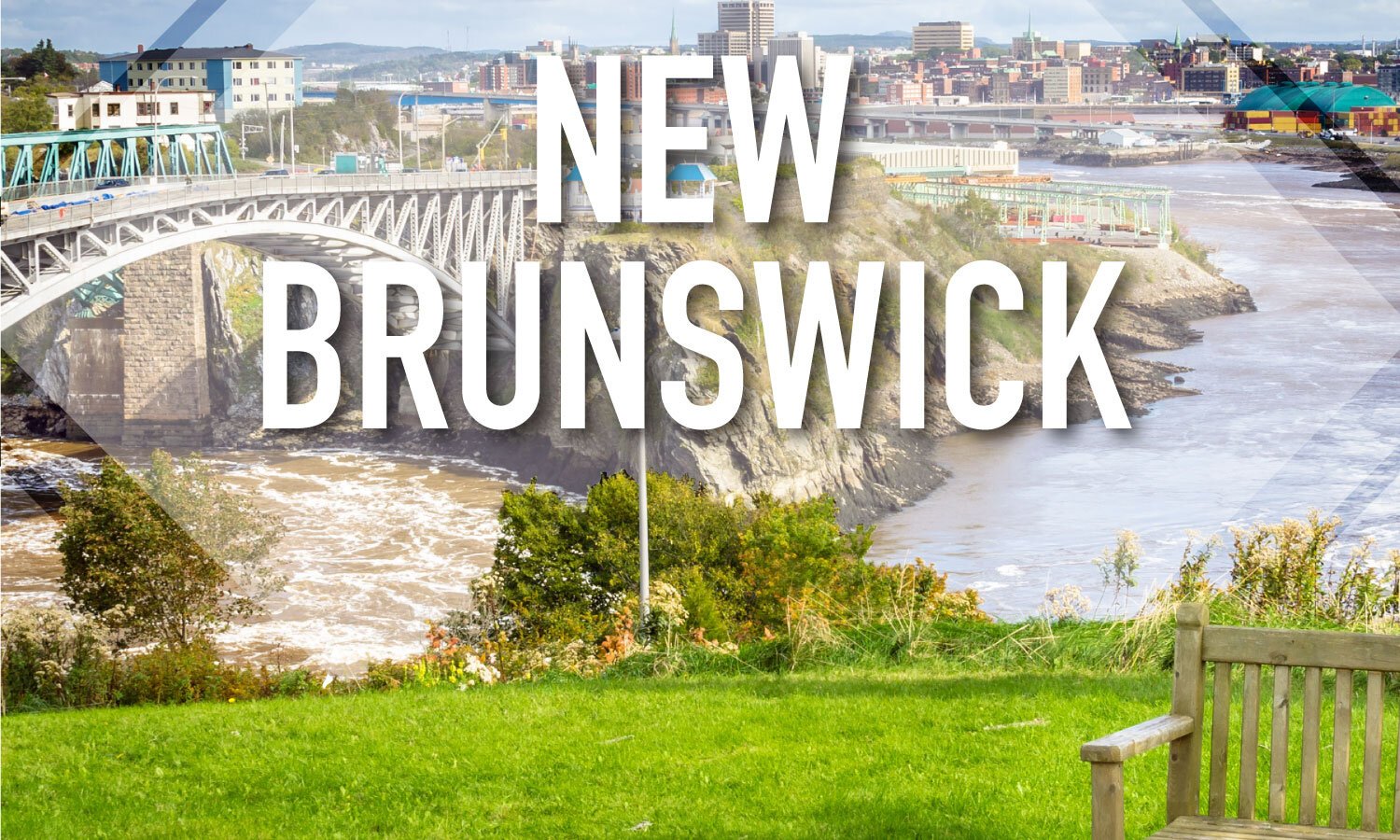
2024 Atlantic Immigration Program Update: No New Endorsements Accepted, Employer Designations Continue
The Atlantic Immigration Program (AIP) offers a route to permanent residency for skilled foreign workers and international graduates from recognized post-secondary institutions in Atlantic Canada who wish to live and work in New Brunswick. To apply for this program, candidates must receive an endorsement from a designated employer. This initiative assists New Brunswick employers in filling job vacancies that local talent has been unable to fill. We are currently inviting New Brunswick employers to express their interest. If you are an employer seeking designation and wishing to endorse a candidate, please visit the INB Portal. You can either create a new employer profile or log into an existing one to submit your expression of interest. NoticeAs of September 18, 2024, New Brunswick is pausing the acceptance of new endorsement applications under the Atlantic Immigration Program (AIP) for the rest of the year, as they have reached our full allocation for 2024. However, applications for Employer Designation will remain open and continue to be accepted. Employer Designation Roadmap Steps to Obtain AIP Designation as a New Brunswick Employer Step 1: Submit an Expression of Interest (EOI) Step 2: Invitation to Apply (ITA) Step 3: Designation Application and Decision Step 4: Candidate Endorsement

British Columbia’s Latest PNP Draw Issues 163 ITAs on September 17, 2024
The most recent BC PNP draw, held on September 17, issued approximately 163 Invitations to Apply (ITAs) for permanent residency (PR) through both general and targeted rounds. In the general draw, 65 invitations were issued under the Skilled Worker and International Graduate categories, including their Express Entry variants, as well as the Entry-Level and Semi-Skilled streams. The cutoff score for this general draw remains consistent with previous BC PNP draws. Additionally, 43 invitations were issued to candidates with experience as early childhood educators and assistants (NOC 42202). Another 26 invitations were extended to candidates with experience in 39 healthcare-related occupations, allowing them to apply for permanent residency. In a separate category-based draw, introduced in late 2023, 29 candidates with experience in 25 construction-related occupations were also invited. Full Details of Latest BC PNP Draw: September 17 Previous BC PNP Draw : 2024
Ontario Holds 2 OINP Draws, Issuing 1,443 PR Invitations on September 17
Two new draws under the Ontario Immigrant Nominee Program (OINP) took place on September 17, 2024, inviting a total of 1,443 candidates to apply for permanent residency (PR). The first draw, targeting the Masters Graduate Stream, issued 1,249 invitations to candidates with an Expression of Interest (EOI) score of 53 or higher. This marks a slight decrease of one point from the previous Masters Graduate Stream draw held on July 9. In a separate PhD Graduate Stream draw, 110 invitations were extended to candidates with an EOI score of 45 or above. This draw also saw a decline, with the cutoff score dropping by five points compared to the July 9 draw. OINP Stream Number of invitations issued Date profiles created Score range Notes Masters Graduate stream 1,249 September 17, 2023 – September 17, 2024 53 and above General Draw PhD Graduate stream 194 September 17, 2023 – September 17, 2024 45 and above General Draw OINP Draw Details A Great Option for International Students in Canada For international students aiming for permanent residency (PR) in Canada, the OINP Masters Graduate Stream continues to be a valuable pathway. With high Comprehensive Ranking System (CRS) scores in Express Entry, it’s essential for students to explore alternative routes like the OINP. Rather than focusing on obtaining Labour Market Impact Assessments (LMIAs) or managing payroll, international students can benefit from pursuing a master’s degree at a recognized Canadian institution. This approach offers several advantages: The OINP Masters Graduate Stream stands out as it doesn’t require a job offer, LMIA, or payroll management. Instead, students can focus on their education and professional development to strengthen their PR applications.

Canadian PR vs. Citizenship: What’s the Real Difference?
In Canada, permanent residents (PR) share many of the same benefits as citizens, such as the right to live, work, study, and invest within the country. However, key differences exist between the two statuses. A permanent resident is an individual granted PR status through immigration, but they are not considered a citizen. Citizens enjoy additional rights and obligations, including the ability to vote and apply for a Canadian passport. Gaining a clear understanding of these distinctions can assist individuals in making informed choices about their long-term goals in Canada. Here are the most significant distinctions between Canadian permanent residency and citizenship: Democratic involvementPermanent residents do not have the right to vote or run for political office, limiting their influence in shaping Canada’s leadership and policies compared to citizens. Employment restrictionsAlthough permanent residents can work in Canada without the need for a work permit, they are ineligible for certain positions that require advanced security clearance. Residency requirementsPermanent residents must reside in Canada for a minimum of 730 days within a five-year period to maintain their status. These days do not need to be consecutive, but failure to meet this requirement could result in the loss of PR status. In contrast, Canadian citizens are not subject to this residency obligation. Travel benefitsCanadian permanent residents can travel using a PR card, and many countries allow short visa-free stays for PR cardholders. However, Canadian citizens have the advantage of holding a Canadian passport, one of the most powerful in the world. As of 2024, it grants visa-free access to 187 destinations, according to Henley & Partners. Additionally, citizens can explore work and study opportunities overseas, hold dual citizenship, and receive diplomatic assistance from Canadian consulates while abroad. Security of status and re-entry to CanadaAlthough uncommon, a permanent resident can lose their status, which could prevent them from re-entering or residing in Canada. This may occur if they renounce their status or become inadmissible due to criminal or security issues. In contrast, losing Canadian citizenship is extremely rare and generally only happens if it was acquired through fraud or misrepresentation. Passing citizenship to childrenWhen a permanent resident gives birth in Canada, the child automatically becomes a Canadian citizen. However, if the child is born outside Canada, permanent residents cannot directly pass on their status. They must apply to sponsor the child, provided they meet the eligibility criteria and the child qualifies as a dependent. In contrast, citizenship is generally transferable to children. However, Canada has a first-generation limit (FGL), meaning that if a Canadian citizen born abroad has a child outside Canada, the child is not automatically granted citizenship. The government is currently considering changes to this rule, potentially allowing Canadians born abroad to pass citizenship to children born abroad, with certain conditions. The amendment is expected by December 19. Major distinctions between permanent residency and citizenship If you’re planning to settle in Canada, it’s important to understand the distinctions between being a Permanent Resident (PR) and a Canadian citizen. While both statuses offer numerous benefits, there are some key differences.

Virtual Job Fair by Destination Canada for Bilingual Job Seekers
Destination Canada, in collaboration with Immigration, Refugees, and Citizenship Canada (IRCC), is hosting a virtual job fair focused on tourism, hospitality, and culinary opportunities across Canada (excluding Quebec) on November 13th, 14th, and 15th. Registration opens on September 23rd and will close on October 27th, 2024. Job seekers attending the event will have the chance to connect with potential Canadian employers online and can even apply directly for many of the positions discussed during the fair. Destination Canada’s virtual job fair The event will run from 3-8 pm Central European Time (CET) and is free to attend, but participation is by invitation only. Invitations will be sent to registered participants starting November 4th. To join, job seekers must first register and submit a bilingual (French-English) CV in the Canadian format. Eligibility criteria for candidates include: Participants will also have the chance to engage with representatives from French-speaking communities in Canada’s provinces and territories outside Quebec. These representatives will provide insights about their regions, services for newcomers, specific immigration programs, and answer questions about living in French-speaking communities in Canada. Job seekers who receive an offer of employment and are already in Canada on a work or study permit may qualify for a special facilitated work permit under the federal Mobilité Francophone stream. The event will feature conferences covering an overview of Canada’s tourism, hospitality, and culinary industries, as well as guidance on how to work and settle in Canada, both temporarily and permanently. Presentations will be conducted in French, while Q&A sessions will be held in both French and English. A list of exhibitors, including employers, will be shared with registered participants in the days leading up to the event. Attendees will also have access to job openings via virtual exhibitor booths throughout the event. To register, candidates can visit the virtual job fair webpage during the registration period. The Increasing Significance of Francophone Immigration to Canada This year, Canada has introduced several initiatives to highlight the growing significance of Francophone and bilingual immigration outside Quebec. These initiatives include:

How International Students Can Maximize Their Chances for Canadian Permanent Residency | 5 Key Tips
For many years, international students have been drawn to Canada for its well-regarded universities, multicultural atmosphere, and the chance to gain work experience abroad. Earning a Canadian degree and gaining qualified work experience can significantly boost an individual’s chances of obtaining permanent residency (PR) in Canada. This is largely due to the fact that graduates from a Designated Learning Institution (DLI) are awarded additional points under Canada’s Express Entry system, enhancing their competitiveness in the selection pool. However, obtaining an education in Canada does not automatically guarantee permanent residency. Although Canada provides several avenues for graduates to work and eventually settle in the country, these opportunities depend on factors such as an individual’s skills, credentials, and the field in which they are employed. In recent months, Canada has adjusted its immigration policies to better align with the country’s labor market demands. These changes, along with the growing competition among qualified applicants, can make it more challenging to move from a study permit to permanent residency. For international students aspiring to make Canada their long-term home, here are some strategies to help increase their points. Stay Informed About Evolving Immigration Regulations Canadian immigration policies can change based on the country’s economic needs. For international students aiming to apply for permanent residency in the future, it is beneficial to stay updated on the eligibility requirements for various programs. For instance, earlier this year, the government announced that international students enrolled in study programs with a curriculum licensing agreement would no longer qualify for a Post-Graduation Work Permit (PGWP) upon graduation. These programs are typically offered by private colleges licensed to provide the curriculum of a partnered public college and may have less stringent oversight compared to public college programs. Students intending to gain work experience in Canada through a PGWP should carefully research which study programs are eligible for the permit after graduation. Select professions that are in high demand In 2023, Canada introduced category-specific Express Entry draws to target professions and skills that are currently in high demand. These categories include: Students who are still exploring their career options may benefit from pursuing qualifications in one of these in-demand fields. For instance, a student could focus on a STEM career, such as architecture, engineering, data science, or web development, to enhance their chances in the Express Entry draw. However, it’s important to note that these categories can change, and qualifying in these fields does not guarantee permanent residency. Explore Provincial Nominee Programs Except for Quebec and Nunavut, every province and territory in Canada has Provincial Nominee Programs (PNPs) designed to attract skilled workers. If an international student finds their Comprehensive Ranking System (CRS) score insufficient or doesn’t meet the criteria for a category-based draw, they might consider applying for a provincial nomination instead. There are two main pathways to immigrate through a PNP: one involves the Express Entry system, where provinces can grant an additional 600 CRS points to eligible candidates, which can significantly enhance their chances of obtaining permanent residency through Express Entry (known as enhanced nomination). The other pathway is a direct application through a PNP stream (base nomination). With over 80 provincial economic stream programs available, students have numerous opportunities to explore as they seek permanent residency in Canada through their education and employment. However, it’s important to note that PNP criteria can vary and may change based on each province’s economic priorities. Enhance both language skills Canada recognizes both English and French as official languages, and being proficient in both can be advantageous in the permanent residency (PR) process. To boost their Comprehensive Ranking System (CRS) score, international students should aim to maximize their points in their primary language by retaking language tests like IELTS or CELPIP (for English) if necessary. Additionally, acquiring proficiency in a second language can further increase a candidate’s CRS score and improve their chances of receiving an Invitation to Apply (ITA). In 2024, Canada introduced French language proficiency category-based draws, which have gained significant attention and are expected to remain a focus through 2025 and 2026. To qualify for these draws, candidates must achieve a minimum score of 7 in all four language abilities (reading, writing, speaking, and listening) on the Niveaux de compétence linguistique canadien (NCLC) scale. Authenticate all academic degrees Canada’s Express Entry system grants points for educational qualifications. If a student holds multiple degrees earned outside Canada, they can have these credentials validated by a designated organization approved by the Canadian government, such as WES. Additionally, international students may consider enrolling in an accredited degree or program within Canada to enhance their opportunities.
Ontario Express Entry Draw Issues 1,269 Invitations for Permanent Residence
The Ontario Immigrant Nominee Program (OINP) conducted an Express Entry draw today, inviting 1,269 candidates to apply for provincial nomination under the Human Capital Priorities (HCP) stream. The draw focused on Express Entry applicants who have shown an intent to live in Ontario and possess work experience in one of 43 healthcare-related primary occupations. Candidates with Express Entry profiles submitted between September 12, 2023, and September 12, 2024, who met the eligibility criteria and had a Comprehensive Ranking System (CRS) score between 414 and 444 were selected in this round. Date NOIs issued Number of NOIs issued CRS score range Profiles created in IRCC Express Entry system Notes September 12, 2024 1,269 414-444 September 12, 2023 –September 12, 2024 Targeted draw for 43 healthcare-related occupations 12 September,2024 OINP HCP Draw Selected candidates now have 45 days to accept the provincial nomination invitation. Upon receiving a provincial nomination from the OINP, candidates will receive an additional 600 points added to their Comprehensive Ranking System (CRS) score, raising it to between 1,014 and 1,044. Complete List of Occupations Targeted in Today’s Ontario Express Entry Draw NOC 30010: Managers in health careNOC 31100: Specialists in clinical and laboratory medicineNOC 31101: Specialists in surgeryNOC 31102: General practitioners and family physiciansNOC 31103: VeterinariansNOC 31110: DentistsNOC 31111: OptometristsNOC 31112: Audiologists and speech-language pathologistsNOC 31120: PharmacistsNOC 31121: Dietitians and nutritionistsNOC 31200: PsychologistsNOC 31201: ChiropractorsNOC 31202: PhysiotherapistsNOC 31203: Occupational therapistsNOC 31204: Kinesiologists and other professional occupations in therapy and assessmentNOC 31209: Other professional occupations in health diagnosing and treatingNOC 31300: Nursing coordinators and supervisorsNOC 31301: Registered nurses and registered psychiatric nursesNOC 31302: Nurse practitionersNOC 31303: Physician assistants, midwives and allied health professionalsNOC 32100: OpticiansNOC 32101: Licensed practical nursesNOC 32102: Paramedical occupationsNOC 32103: Respiratory therapists, clinical perfusionists and cardiopulmonary technologistsNOC 32104: Animal health technologists and veterinary techniciansNOC 32109: Other technical occupations in therapy and assessmentNOC 32110: DenturistsNOC 32111: Dental hygienists and dental therapistsNOC 32112: Dental technologists and techniciansNOC 32120: Medical laboratory technologistsNOC 32121: Medical radiation technologistsNOC 32122: Medical sonographersNOC 32123: Cardiology technologists and electrophysiological diagnostic technologistsNOC 32124: Pharmacy techniciansNOC 32129: Other medical technologists and techniciansNOC 32200: Traditional Chinese medicine practitioners and acupuncturistsNOC 32201: Massage therapistsNOC 32209: Other practitioners of natural healingNOC 33100: Dental assistants and dental laboratory assistantsNOC 33101: Medical laboratory assistants and related technical occupationsNOC 33102: Nurse aides, orderlies and patient service associatesNOC 33103: Pharmacy technical assistants and pharmacy assistantsNOC 33109: Other assisting occupations in support of health services How can I become eligible for the OINP Express Entry draws? To qualify for OINP Express Entry draws, you must hold a valid Express Entry profile and intend to move to Ontario. There’s no need to create a separate OINP profile, as Ontario’s PNP automatically reviews Express Entry profiles and issues notifications of interest to eligible candidates directly through the Express Entry system. However, it’s important to note that meeting the eligibility requirements doesn’t guarantee you will receive a notification of interest. Likewise, receiving a notification doesn’t ensure you meet the stream’s criteria or that your application will be approved. It’s crucial to carefully review the program’s eligibility requirements before responding to a notification of interest.
Ontario Issues 2,487 PR Invitations in 4 New OINP Draws
On September 10, Ontario held four new draws under the Ontario Immigrant Nominee Program (OINP), issuing a total of 2,487 invitations to candidates for permanent residency (PR) in Canada. These draws, which targeted applicants in the Foreign Worker Stream, International Student Stream, and In-Demand Skills Stream, highlight Ontario’s ongoing need for skilled talent and its commitment to immigration. Eligible candidates who registered under the Expression of Interest (EOI) system between September 10, 2023, and September 10, 2024, were considered in these rounds of invitations. Details of the OINP Draws Today Stream Invitations EOI Cutoff Score International Student Stream 1,017 67 and above International Student Stream 806 67 and above In-Demand Skills stream 649 34 and above Foreign Worker stream 15 N/A Details of Draw September 10 The recent OINP draws present valuable opportunities for candidates aiming to settle in Ontario, especially those in the healthcare, engineering, and construction industries. Targeted Occupations in OINP Draws International Student Stream: Healthcare Occupations The following National Occupational Classification (NOC) codes represent the healthcare professions targeted in the OINP International Student Stream: This comprehensive list highlights a broad range of healthcare roles, aimed at attracting top talent to meet Ontario’s growing demand in critical medical sectors. International Student Stream: Trade Occupations In addition to healthcare roles, the OINP draw also focused on 104 other key occupations within the trades under the International Student Stream, including: This broad list includes a variety of priority trades and technical professions that are critical to Ontario’s labor market.