
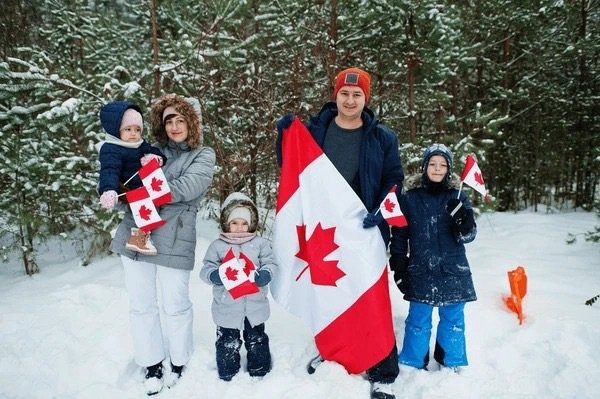
The Canada Child Benefit (CCB) is an important financial support for millions of Canadian families, and the recent updates for August 2024 have caught attention across the country. Navigation GuideWhat is the Canada Child Benefit?Key Features of the Canada Child BenefitHow much is the newly increased CCB payment now?Who is Eligible for the CCB?How to Apply for the CCBWhat is the maximum Canada Child Benefit (CCB) payment for 2024?Is it possible to receive retroactive Canada Child Benefit (CCB) payments? What is the Canada Child Benefit? The Canada Child Benefit is a tax-free monthly payment given to eligible families to help cover the costs of raising children under 18. Launched in July 2016, the CCB replaced earlier programs like the Canada Child Tax Benefit (CCTB) and the Universal Child Care Benefit (UCCB). The CCB aims to offer more help to families who need it most, with larger payments going to those with lower incomes. Key Features of the Canada Child Benefit Tax-Free Payments: One of the biggest advantages of the CCB is that it’s completely tax-free. Families get the full amount without worrying about deductions when they file taxes. Income-Adjusted: The CCB amount a family gets depends on their household income. Lower-income families receive more, making sure that the benefit goes to those who need it the most. Annual Increases: The CCB is adjusted for inflation every year, so the payment amounts increase to match the cost of living. This helps the benefit maintain its value over time. In August 2024, Canadian families can expect a noticeable increase in their CCB payments. This increase is part of the yearly adjustment made in July to reflect changes in the cost of living. How much is the newly increased CCB payment now? Increased Payment Amounts: The maximum annual benefit is now $7,787 per child under six, and $6,570 per child aged six to 17. These amounts have gone up from last year, giving families more support as living costs increase. Adjustment Factors: The CCB payment is based on the Adjusted Family Net Income (AFNI). For August 2024, the government has raised the AFNI thresholds, allowing more families to qualify for higher benefits. The lower-income threshold is now $36,502. Retroactive Payments: If you’ve recently had a child or had a significant change in income, you might qualify for retroactive payments. This means you could get a lump sum for the benefits you were eligible for but didn’t receive in past months. Who is Eligible for the CCB? Eligibility for the CCB depends on several factors, including the child’s age, the parent’s residency status, and the family’s income. Here’s how it works: Child’s Age: The CCB is available for children under 18. Payments continue until the month the child turns 18. Residency Status: To be eligible, the parent or guardian must be a resident of Canada for tax purposes. This includes Canadian citizens, permanent residents, protected persons, and certain temporary residents. A temporary resident qualifies if they have lived in Canada for the past 18 months and have a valid permit in the 19th month, provided it doesn’t state “does not confer status” or “does not confer temporary resident status.” Income Thresholds: The CCB amount is based on the family’s income reported on the previous year’s tax return. Families with a combined income below the lower threshold receive the maximum benefit, while those with incomes above the higher threshold may receive reduced payments. How to Apply for the CCB Applying for the Canada Child Benefit is simple, but it’s important to submit all required documents correctly to avoid delays. Here’s how to apply: Application Deadlines: Although there’s no strict deadline for applying, it’s best to apply as soon as your child is born or you become eligible to ensure you receive payments promptly. Register the Birth: If you’re applying for a newborn, start by registering the birth with your province or territory. This often initiates the CCB application automatically. Online Application: If your child wasn’t born in Canada or if you need to apply manually, you can apply online through the Canada Revenue Agency (CRA) My Account portal. Documentation: Make sure you have all the necessary documents, including proof of residency, your child’s birth certificate, and your previous year’s tax return. What is the maximum Canada Child Benefit (CCB) payment for 2024? For 2024, the maximum Canada Child Benefit (CCB) payment is $7,787 per child under six and $6,570 per child aged six to 17. These amounts have increased from previous years due to the annual indexing of the CCB to account for inflation. Is it possible to receive retroactive Canada Child Benefit (CCB) payments? Yes, you might qualify for retroactive Canada Child Benefit (CCB) payments if you recently had a child or had a significant income change that wasn’t reported right away. These payments cover the benefits you were eligible for but didn’t receive in earlier months. To get these payments, you need to contact the Canada Revenue Agency (CRA) and provide any required documentation.

Easiest Way to Canadian PR: Ontario PNP’s Human Capital Stream
Ontario’s Express Entry Human Capital Priorities Stream is part of the Ontario Immigrant Nominee Program (OINP). This stream offers foreign workers with the necessary skills, language proficiency, and education a chance to secure permanent residency in Ontario. One of the key benefits of this stream is that you do not need a job offer to apply. It’s designed to help skilled workers who meet the program’s criteria to live and work permanently in Ontario. To be eligible, you must have an active profile in Immigration, Refugees and Citizenship Canada’s (IRCC) Express Entry system. Additionally, you need to receive a Notification of Interest from Ontario. Once you receive this notification, you can apply online for a provincial nomination from the Ontario government, bringing you one step closer to permanent residency. Navigation Guide Stream requirements 1. Work Experience You must choose which of the following two federal programs you want to be assessed under: Federal Skilled Worker Program (FSWP) To qualify under the FSWP, you need to have: Your work experience must: This work experience can be acquired in Canada or abroad. Continuous Work Experience means: Please note: Your work experience can include consecutive jobs with the same or different employers, as long as there are no gaps in employment. However, at least one year must be in the same NOC occupation as your primary NOC declared in your Express Entry profile. If you are relying on self-employment experience, you must provide independently verifiable documentation through third parties. This may include client reference letters that detail your duties and periods of work, along with evidence of ongoing payments made to you personally for services provided (e.g., invoices). It’s essential that the hours of your self-employment work are quantifiable to confirm that you have accumulated at least 1,560 hours over one year. Reference letters from yourself, business partners, or family members are not accepted. Canadian Experience Class (CEC) To qualify under the CEC, you must: Your work experience must: Cumulative Work Experience means: Please note: Paid work experience gained while studying full-time at a post-secondary institution (e.g., during a co-op work term) and self-employment are not eligible under the CEC. General Requirements for Both Programs 2. Education To qualify, you must have a Canadian bachelor’s, master’s, or PhD degree, or an equivalent degree from another country. Nurses don’t need to meet this education requirement if they: If you completed your studies outside Canada, you’ll need an Educational Credential Assessment (ECA) report to show that your education is equivalent to a Canadian degree. This assessment must be done by one of the organizations designated by IRCC: Each organization has different fees and processing times, so check their websites to find the best option for you. When you apply, you must include a copy of your ECA report, which should be no more than five years old. The Ontario Immigrant Nominee Program (OINP) needs to verify your ECA results with the organization, so you must authorize them to share the results with OINP. To authorize this sharing: For other organizations, no extra steps are needed. If you have questions about getting an ECA or authorizing the sharing of results, contact the ECA organization directly. Make sure to specifically authorize sharing with OINP, not just with IRCC. 3. Language Applicants must demonstrate proficiency in either English or French at a Canadian Language Benchmark (CLB) level 7 or higher. This includes the ability to understand, read, write, and speak the language. To prove language skills, an approved English or French language test must be taken before submitting the application. The test date must be within the last two years. For English tests, the following are accepted: For French tests, the following are accepted: 4. Settlement funds You must have sufficient funds to support yourself and your dependent family members when you settle in Canada. Dependent family members include your spouse, common-law partner, and children under the age of 22, as well as their children. You can meet this requirement through one or a combination of the following: This requirement applies to all applicants, regardless of whether they are assessed under the Canadian Experience Class or the Federal Skilled Worker Program. Example: If the required amount for your family size is $29,000 (CAD), and you have a job offer in Ontario with an annual salary of $25,000 plus $5,000 in your savings account, you would meet the settlement fund requirement with a total of $30,000 using both your job offer and bank statement. Note: If bank statements show a large one-time deposit, additional documentation may be requested to prove that these funds are free from debt or liabilities. 5. Intention to Live in Ontario You must show that you intend to reside in Ontario after being granted permanent residency. This is assessed based on your connections to Ontario, which may include: 6. Legal Status in Canada (if applicable) If applying from within Canada, you must have legal status at the time of your application (such as a visitor record, study permit, or work permit) and maintain that status until you are nominated. You may still apply if you are in ‘maintained status’ when you submit your OINP application. ‘Maintained status’ means that you have applied to Immigration, Refugees and Citizenship Canada (IRCC) to renew or extend your temporary status document (visitor record, work permit, or study permit) before it expired. You can stay in Canada and continue to work or study under the same conditions as your existing permit while waiting for a decision on your pending IRCC application. 7. Federal Skilled Worker Program If you opt to be assessed under the Federal Skilled Worker Program (FSWP), you must achieve a minimum of 67 points across the six selection factors, which are education, language skills, work experience, age, arranged employment in Canada, and adaptability. Notifications of interest issued in 2024 to date
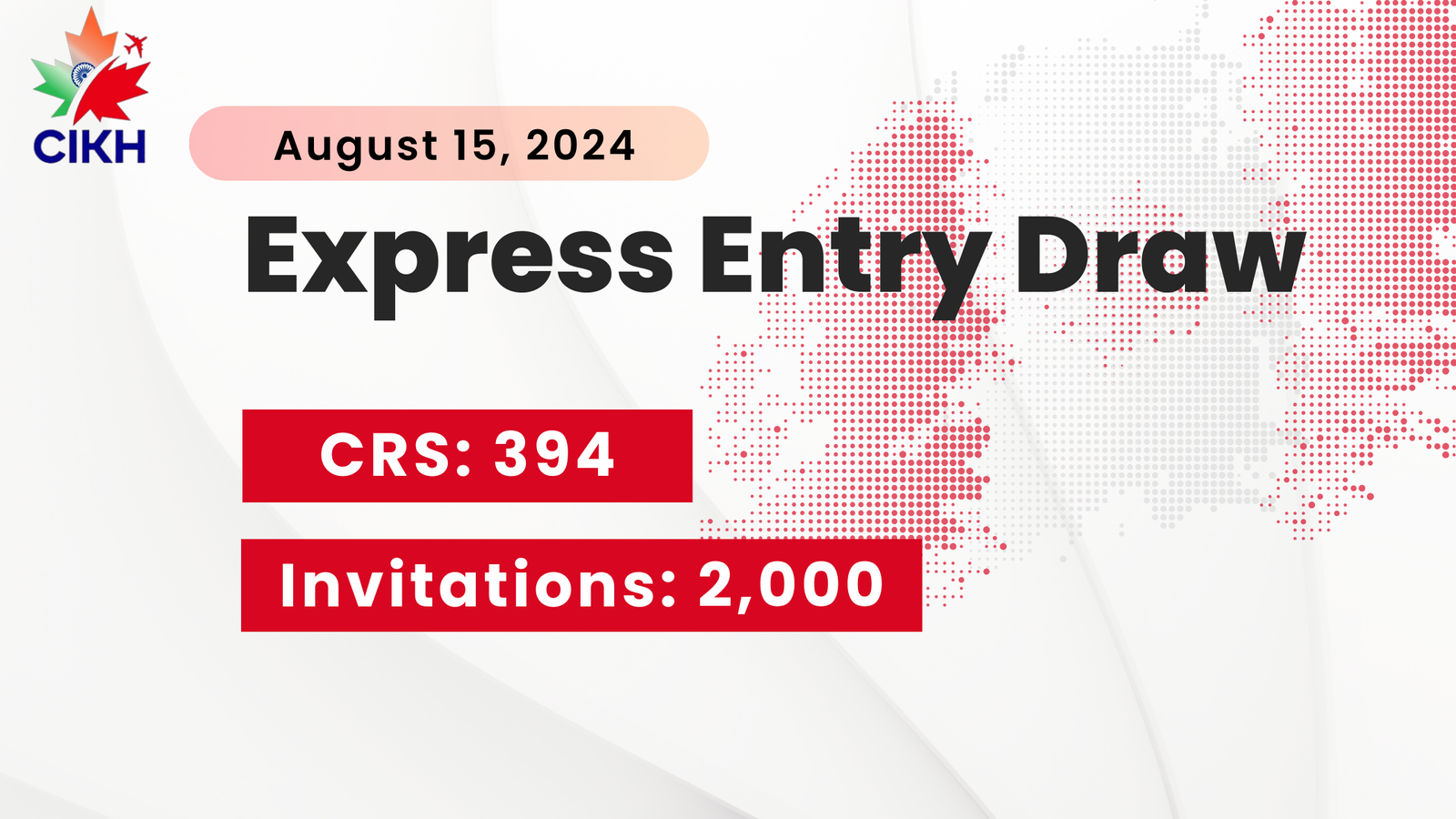
IRCC issues invitations to 2,000 candidates in the third Express Entry draw this week.
Immigration, Refugees, and Citizenship Canada (IRCC) has extended Invitations to Apply (ITAs) in the most recent Express Entry draw. In this category-based selection, 2,000 candidates with French language proficiency were invited. To qualify, candidates needed a minimum Comprehensive Ranking System (CRS) score of 394. This is the third Express Entry draw this week, following a program-specific draw on August 14, where 3,200 Canadian Experience Class candidates were invited. On August 13, 763 candidates from the Provincial Nominee Program (PNP) received Invitations to Apply (ITAs) with a minimum Comprehensive Ranking System (CRS) score of 690. These recent draws come after an unprecedented number of Express Entry draws in July, where IRCC issued over 25,000 ITAs across nine separate draws. July set a record for the highest number of Express Entry draws in a single month since the system’s launch in 2015, marking a significant recovery from a slow June that saw only one draw. Four of July’s draws were category-based, with two focused on candidates with French language proficiency. The July 18 draw for this category recorded the month’s lowest CRS score of 400. The other two category-based draws targeted candidates in healthcare and trade occupations. Of the remaining five draws, two were program-specific for the Canadian Experience Class (CEC), while three targeted candidates in the Provincial Nominee Program (PNP). The highest Comprehensive Ranking System (CRS) score of the month was 739, seen in the PNP draw on July 2. The increase in program-specific draws, following a year of only category-based selection and general draws, indicates that IRCC is committed to its goal of conducting more domestic draws for permanent residency candidates already residing in Canada. This aligns with the department’s strategy to reduce the number of temporary residents in Canada while still aiming to meet its permanent resident admission targets. Details of Express Entry Draw : August 15, 2024 Here are the key points from the image: Summary of Express Entry Draws 2024
The most recent online processing times from IRCC for August
On August 14 and July 31, Immigration, Refugees, and Citizenship Canada (IRCC) revised the processing times for various immigration applications. Staying informed about these changes is essential for applicants as they navigate their immigration journey. Monitoring IRCC processing times is crucial for managing expectations and planning ahead. These updates highlight IRCC’s continued efforts to enhance and simplify the immigration process for applicants. Here’s an in-depth overview of the most recent processing times and their implications for different immigration categories. Summary of Processing Time Revisions Starting in May 2024, the IRCC initiated monthly updates on average processing times for citizenship, family sponsorship, and economic immigration applications. Meanwhile, business immigration, all temporary residency applications, and permanent resident cards now receive weekly updates. These timelines help applicants estimate how long it may take to receive a decision on their applications. Processing Times for PR Cards and Citizenship Citizenship (updated monthly): PR Cards (updated weekly): Family Sponsorship Processing Times (updated monthly) Family sponsorship processing times are updated on a monthly basis. These times are influenced by the volume of applications, the staff processing them, and the expected number of new applications. Here are the updated times as of July 2024: Spouse or Common-law Partner: Parents or Grandparents: Economic Immigration Processing Times These times are updated both monthly and weekly, depending on the program. Express Entry: Non-Express Entry: Temporary Residency Processing Times (Updated Weekly) Processing times for temporary residency applications are updated on a weekly basis. These times indicate the duration it took for IRCC to process most applications, but do not account for biometric processing. Visitor Visa Outside Canada (varies by country): Visitor Visa Inside Canada (TRV): Visitor Visa extension: Parents or grandparents Super Visa (varies by country): Study Permit Outside Canada (varies by country): Study Permits: Work Permit Outside Canada (varies by country): Work Permit Inside Canada: Other Temporary Residency Categories: To get the latest updates on processing times and for specific case inquiries, it’s best to frequently visit the IRCC website or consult an immigration professional.

Manitoba MPNP Draw Invites 292 Candidates for Permanent Residency on August 15, 2024
In the most recent Manitoba Provincial Nominee Program (MPNP) draw of 2024, held on August 15, 292 invitations for permanent residency were issued under the International Education Stream and Skilled Worker Overseas categories. Here are the complete details of the MPNP draw announced on August 15. International Education Stream:Profiles that confirmed meeting the eligibility requirements for the International Education Stream. Skilled Worker Overseas:Profiles that were directly invited by the MPNP through a Strategic Recruitment Initiative. Out of the 292 Letters of Advice to Apply issued in this draw, 37 were sent to candidates who provided a valid Express Entry profile number and job seeker validation code. Previous MPNP Draw 2024:
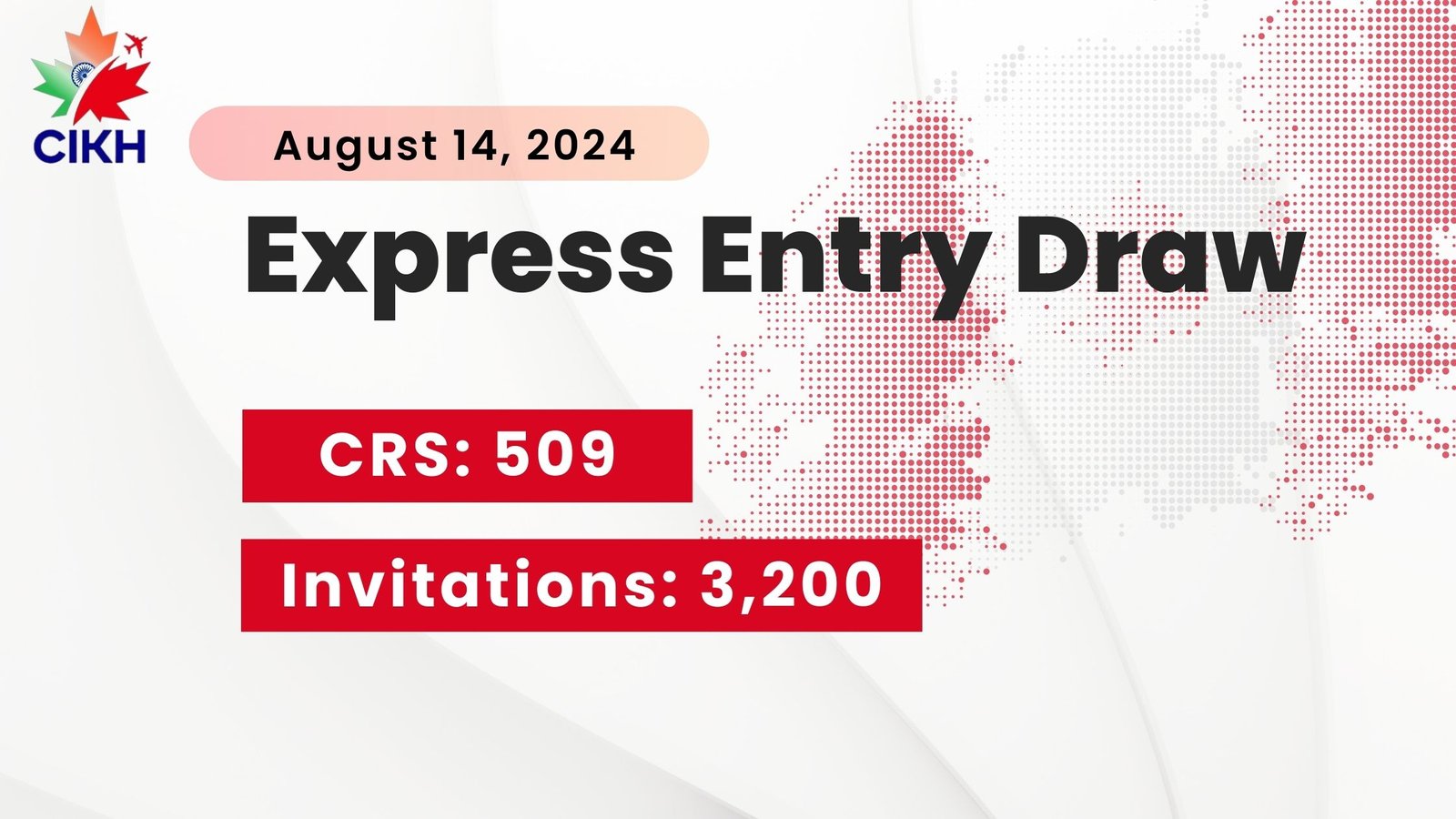
Express Entry: Latest Canadian Experience Class draw issues ITAs to 3,200 candidates.
Immigration, Refugees, and Citizenship Canada (IRCC) recently held an Express Entry draw, issuing Invitations to Apply (ITAs) to 3,200 candidates. This draw was aligned with the Canadian Experience Class (CEC), and candidates needed a minimum Comprehensive Ranking System (CRS) score of 509 to qualify. On 13 August draw, 763 candidates from the Provincial Nominee Program (PNP) received Invitations to Apply (ITAs), with a required minimum Comprehensive Ranking System (CRS) score of 690. These draws are part of an exceptional series of Express Entry draws that took place throughout July. During this period, Immigration, Refugees, and Citizenship Canada (IRCC) issued over 25,000 ITAs across nine distinct draws. July set a new record for the number of Express Entry draws in a single month since the system’s inception in 2015, marking a sharp increase from June, which saw only one draw. Four of July’s draws were category-based, with two specifically targeting candidates proficient in the French language. The July 18 draw for this category had the lowest CRS score of the month at 400. The other category-based draws focused on candidates in healthcare and trade occupations. The remaining five draws in July included two for the Canadian Experience Class (CEC) and three for Provincial Nominee Program (PNP) candidates. The highest CRS score of the month, 739, was recorded in the July 2 PNP-specific draw. The increase in program-specific draws, following a year of primarily category-based and general draws, demonstrates that IRCC is fulfilling its commitment to prioritize more domestic draws for permanent residency candidates already residing in Canada. This aligns with the department’s goal of reducing the number of temporary residents while still aiming to meet its permanent resident admissions targets. Details of Express Entry Draw: August 13, 2024 Summary of Express Entry Draws 2024

UPDATE: IRCC’s New Pilot Program Offers Francophone Students an Easier Path to Permanent Residence
Today, Marc Miller, the Minister of Immigration, Refugees, and Citizenship, introduced a new immigration pilot program designed to welcome more international students into Francophone communities across Canada. The Francophone Minority Communities Pilot Program (FMCSP) aims to make it easier for students from Africa, the Middle East, and the Americas to gain admission and benefit from a fairer system. Under this program, students and their families won’t need to prove they’ll leave Canada after their studies. Plus, the financial requirements will be adjusted to be more affordable, set at 75% of the local low-income threshold where the college or university is located. Students in this program will also have a direct path to permanent residency once they finish their studies and will receive help with settling in Canada. The pilot program starts on August 26, 2024, and will initially accept 2,300 students, with plans to review this number in August 2025. Who Can Apply? To be eligible for the Francophone Minority Communities Pilot Program (FMCSP), students need: Students must also be citizens of one of these countries: Students in this program can also bring their spouses, common-law partners, or dependent children with them. Spouses and partners may be eligible for a visitor visa, open work permit, or study permit. Additionally, FMCSP students do not need to follow some of the recent rules for international students in Canada. They don’t need a Provincial Attestation Letter (PAL) from their DLI, and they are not subject to the IRCC’s application cap for international students. New Communities Join the Welcoming Francophone Communities Initiative Minister Miller also announced that 10 new Francophone communities will join the Welcoming Francophone Communities (WFC) initiative. This program helps Francophone newcomers settle and integrate into Francophone and Acadian communities across Canada. It offers services like community support, skills training, and job assistance, provided by both IRCC and the local community. Along with the 14 communities already in the program, the following new communities will now be part of the initiative: The expansion of the Welcoming Francophone Communities (WFC) program now includes 24 communities. This initiative is part of Canada’s broader strategy to promote both English and French across the country, with a focus on increasing the use of French outside of Quebec. Liane Roy, President of the Fédération des communautés francophones et acadienne du Canada (FCFA), highlighted that the WFC program demonstrates the dedication of Francophone and Acadian communities to supporting immigrants. These communities have organized activities to encourage integration and enhance their appeal, aiming to boost French-speaking immigration. Canada’s Francophone immigration policy includes two pilot programs aimed at increasing the number of French-speaking newcomers. This year, the government set a goal for 6% of all new immigrants to be French speakers. The Official Languages Act requires the immigration minister to implement a policy that supports and grows French-speaking minority communities in Canada. The new programs are one way the IRCC is working to boost the number of Francophone immigrants. Additionally, the department is likely to issue many Invitations to Apply for Express Entry to candidates with French language skills through targeted selection rounds.

New Ontario Employer Job offer foreign worker stream: health and other priority invited 1,378 PR Invitations on August 13
On August 13, two new OINP draws issued a total of 1,378 invitations to apply (ITAs) for permanent residency. Both rounds, announced by the Ontario Immigrant Nominee Program (OINP), targeted candidates in the Foreign Worker stream, focusing on 40 healthcare and 104 priority occupations. Here are the details of the Ontario-OINP draws: Invitations Date profiles created Score range Notes 420 August 13, 2023 – August 13, 2024 50 and above Targeted draw for 40 healthcare occupations 958 August 13, 2023 – August 13, 2024 54 and above Targeted draw for 104 other priority occupations August 13, 2024 40 Healthcare occupations 104 Other Priority occupations

Latest BC PNP Draw: 139 Invitations Issued on August 13, 2024
In the latest BC PNP draw on August 13, over 134 invitations to apply (ITAs) for permanent residency were issued in targeted rounds. A total of 45 invitations were extended in a targeted draw for 35 tech occupations, with profiles meeting the minimum score requirement of 120 under the Skilled Worker and International Graduate streams, including their Express Entry variants. Additionally, 35 invitations were sent to candidates with experience as early childhood educators’ assistants or instructors (NOC 42202). Invitations to apply for permanent residency were issued to 27 profiles with experience in 39 healthcare-related occupations. Additionally, 27 applicants with experience in 25 construction-related occupations were invited in British Columbia’s new category-based draw, introduced in late 2023. Full Details of Latest BC PNP Draw: August 13 Previous BC PNP Draw : 2024
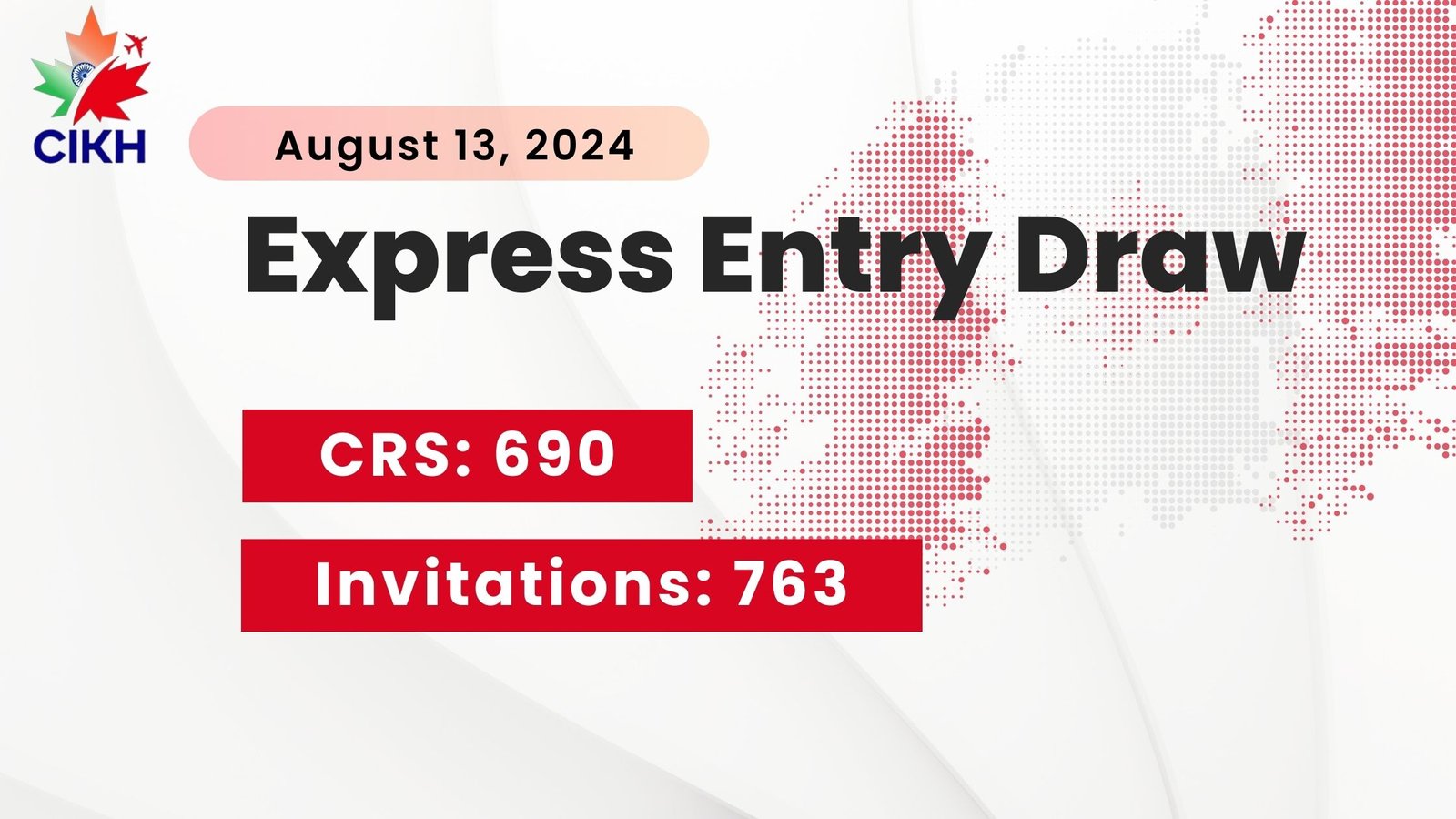
Canada Extends Invitations to 763 PNP Candidates in Latest Express Entry Draw
Immigration, Refugees, and Citizenship Canada (IRCC) has recently issued Invitations to Apply (ITAs) in the latest Express Entry draw. In this draw, 763 candidates received invitations through a Provincial Nominee Program (PNP)-specific selection. To qualify, candidates needed to achieve a minimum Comprehensive Ranking System (CRS) score of 690. Today’s draw is the first in August, following a record-breaking number of Express Entry draws in July. Throughout July, Immigration, Refugees, and Citizenship Canada (IRCC) issued over 25,000 Invitations to Apply (ITAs) across nine different draws. This makes July the busiest month for Express Entry draws since the system began in 2015, a big increase from June, which had only one draw. Four of the draws in July were category-based, with two focusing on candidates with French language skills. The lowest Comprehensive Ranking System (CRS) score of the month, 400, was in the July 18 draw for French-speaking candidates. The other two category-based draws targeted candidates in healthcare and trade occupations. The remaining five draws included two for the Canadian Experience Class (CEC) and three for the Provincial Nominee Program (PNP). The highest CRS score of the month was 739, in the July 2 PNP draw. The mix of program-specific draws shows that IRCC is following through on its plan to focus more on candidates already living in Canada. This is part of their effort to reduce the number of temporary residents while still meeting their permanent residency goals. Details of Express Entry Draw: August 13, 2024 Program: Provincial Nominee Program (PNP)Number of Invitations Issued: 763Rank Required to Be Invited: 763 or aboveDate and Time of Round: August 13, 2024, at 14:57:21 UTCCRS Score of Lowest-Ranked Candidate Invited: 690Tie-Breaking Rule: April 26, 2024, at 10:59:30 UTC Summary of Express Entry Draws 2024